

What does it mean to be God's people in the final moments of earth's history?
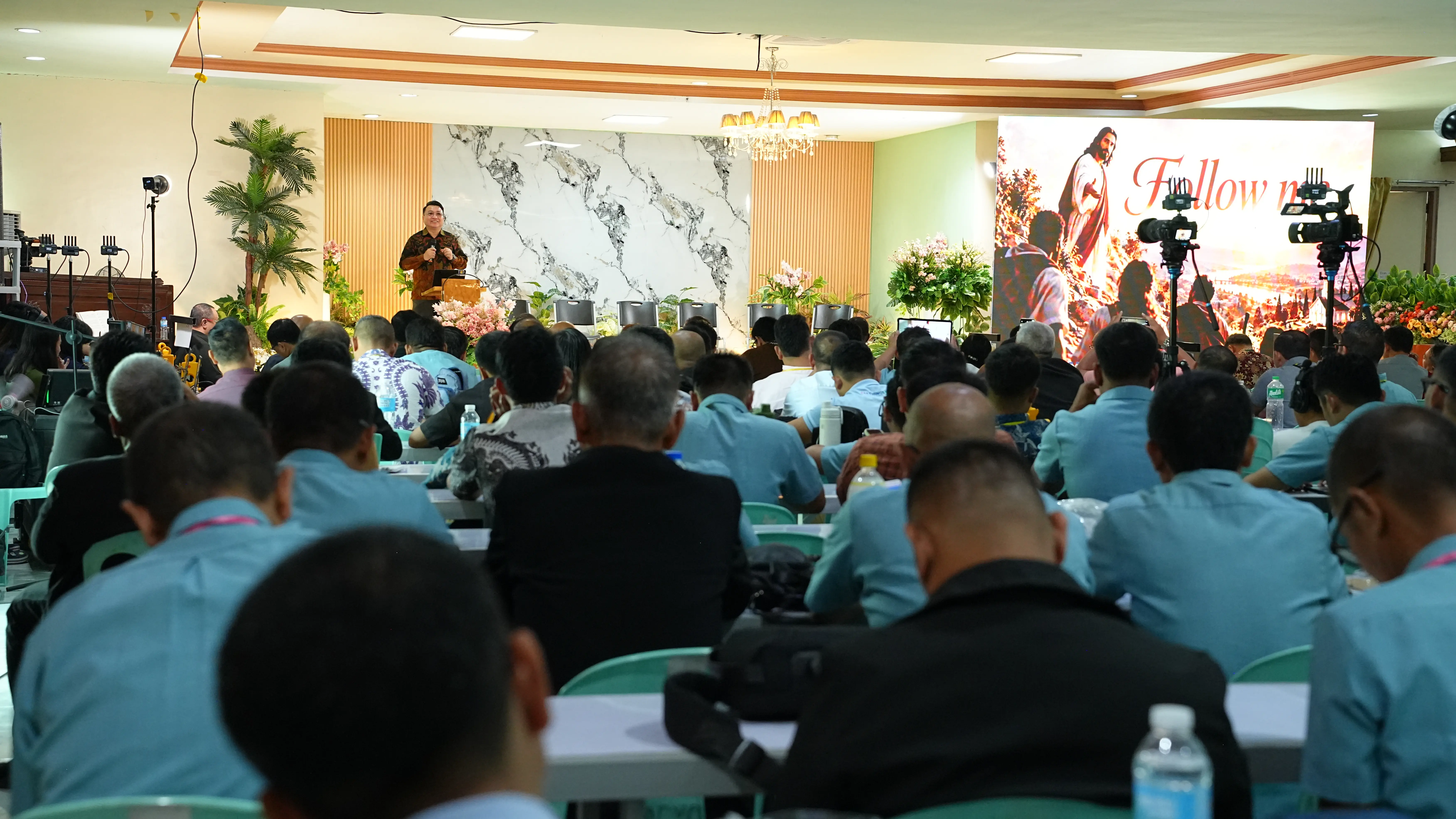
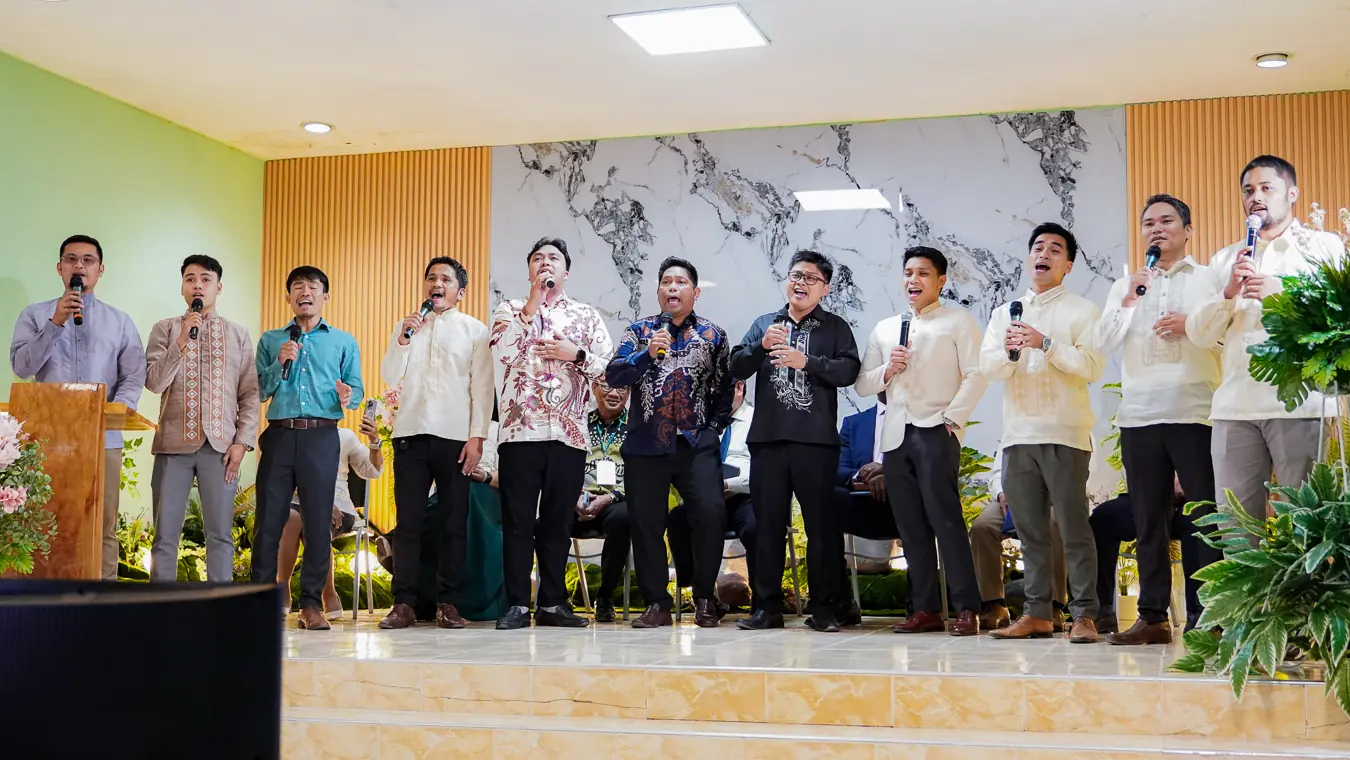
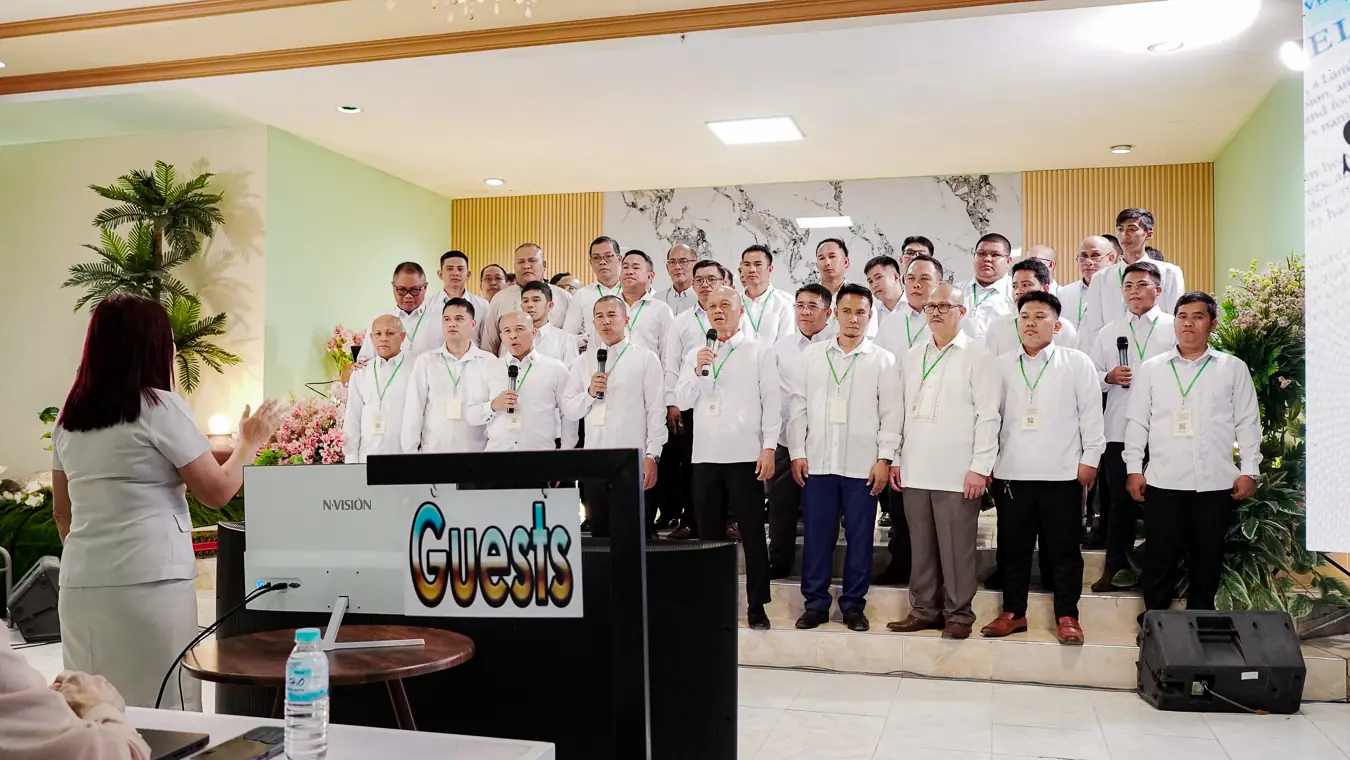
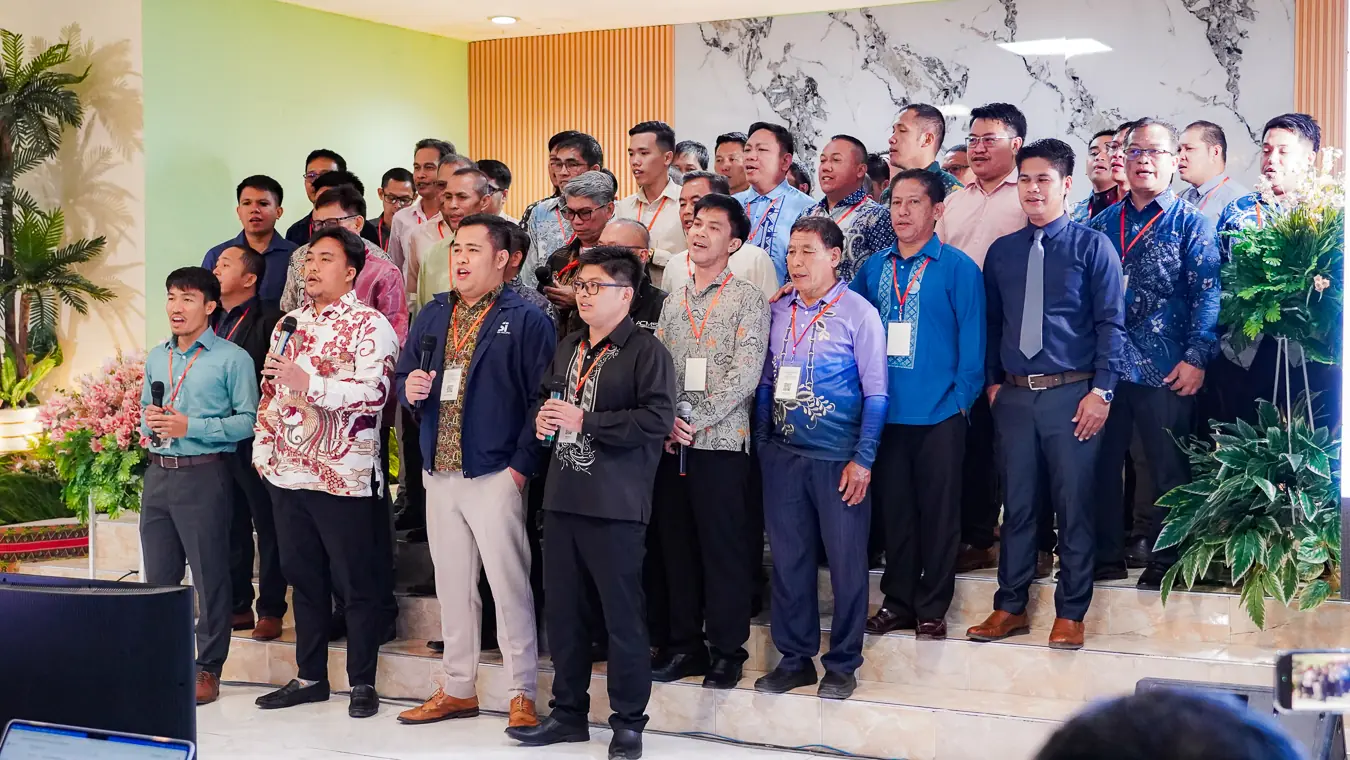
This question echoed throughout a recent Bible Conference that brought together pastors, theologians, church leaders on Oct. 2 to 4 in General Santos City, was a thoughtful exploration of Scripture and the writings of Ellen G. White. Rather than merely debating doctrinal points, the gathering sought to answer a larger question: How should believers live, serve, and prepare for Christ's soon return?
The conference opened with the conviction that Adventists are not called simply to be students of prophecy but witnesses of the gospel. Revelation presents God's end-time people as those who "keep the commandments of God, and the faith of Jesus" (Revelation 14:12). This unique combination of faith and obedience became the thread that connected every presentation and discussion.
Much attention was given to the concept commonly known as Last Generation Theology. Participants examined whether Ellen G. White supported the idea that God's final generation will reveal the character of Christ before His return. While various perspectives were presented, speakers emphasized that Ellen White consistently rooted Christian victory in Christ rather than in human effort. Her well-known statement, "When the character of Christ shall be perfectly reproduced in His people, then He will come to claim them as His own" (Christ's Object Lessons, p. 69), was discussed in the broader context of righteousness by faith and the transforming work of the Holy Spirit.
The focus soon shifted from theological formulations to the Person at the center of all Adventist doctrine, Jesus Christ Himself. The humanity of Christ emerged as a foundational theme. The conference explored how the incarnation reveals both God's nearness and His saving grace. Scripture declares that "the Word was made flesh, and dwelt among us" (John 1:14), and Hebrews reminds believers that Christ was "tempted like as we are, yet without sin" (Hebrews 4:15).
Ellen White's portrayal of Christ was presented as both profound and practical. In The Desire of Ages, she describes the Savior as One who entered fully into the human experience while maintaining perfect dependence upon His Father. Participants reflected on the reality that Christ's victory over temptation offers hope to every believer struggling in the battle against sin. The study of Christ's humanity was therefore not merely theological but deeply pastoral, pointing sinners to a compassionate Savior who understands human weakness.
As discussions progressed, participants examined how ideas about a perfected people at the end of time have appeared throughout Christian history. From early Christian movements to later holiness traditions, many believers have anticipated a final revival of faithfulness before Christ returns. Yet conference presenters noted that Adventism's understanding of the last generation is unique because it is inseparably connected with the sanctuary message, the Three Angels' Messages, and the cosmic conflict between Christ and Satan.
The prophetic identity of God's people became even more significant as discussions turned to the biblical doctrine of the remnant. Revelation 12:17 portrays a people who remain faithful amidst worldwide spiritual confusion. Yet speakers cautioned against viewing the remnant merely as an institution or denomination. Instead, the remnant is called to a mission. The church exists not for self-preservation but for witness.
This missional emphasis permeated the conference. God's last-day people are entrusted with the proclamation of the everlasting gospel to "every nation, and kindred, and tongue, and people" (Revelation 14:6). Participants were reminded that end-time theology finds its true purpose in end-time mission. The church does not exist simply to understand prophecy but to share Christ. Ellen White repeatedly challenged believers to move beyond theological discussion into active service, declaring that every follower of Christ has a place in God's mission.
The role of the Holy Spirit received special attention in this context. Presenters highlighted the Spirit's relationship within the Godhead and His indispensable role in preparing the church for Christ's return. References from John's Gospel and Christ's Great Commission demonstrated the harmonious work of the Father, Son, and Holy Spirit in the plan of redemption.
Ellen White's description of the Holy Spirit as the "Third Person of the Godhead" helped frame discussions regarding the Spirit's divinity and personality. Participants were reminded that revival, reformation, and mission are impossible without the Spirit's presence. The final proclamation of the gospel will not be accomplished through human wisdom or organizational strength but through divine power.
A particularly relevant portion of the conference addressed the growing challenge of animistic beliefs among some Christian communities. While traditional animism often involves ancestor veneration and spirit appeasement, presenters noted that similar influences can infiltrate Christian thinking when believers seek spiritual power apart from God's revealed Word.
Using passages such as Isaiah 8:20 and Deuteronomy 18, speakers called the church back to a biblical worldview grounded solely in Scripture. Ellen White's warnings regarding spiritualism in The Great Controversy were shown to be increasingly relevant in a world fascinated by supernatural experiences. Participants were encouraged to cultivate spiritual discernment and to test every teaching and experience by the Word of God.
The conference also devoted considerable attention to one of Revelation's most discussed groups, the 144,000, and their relationship to the great multitude. While acknowledging differing interpretations within the Adventist community, presenters emphasized the larger message of Revelation: God will have a faithful people who remain loyal during the final crisis, and His redeeming grace will gather a vast multitude from every nation.
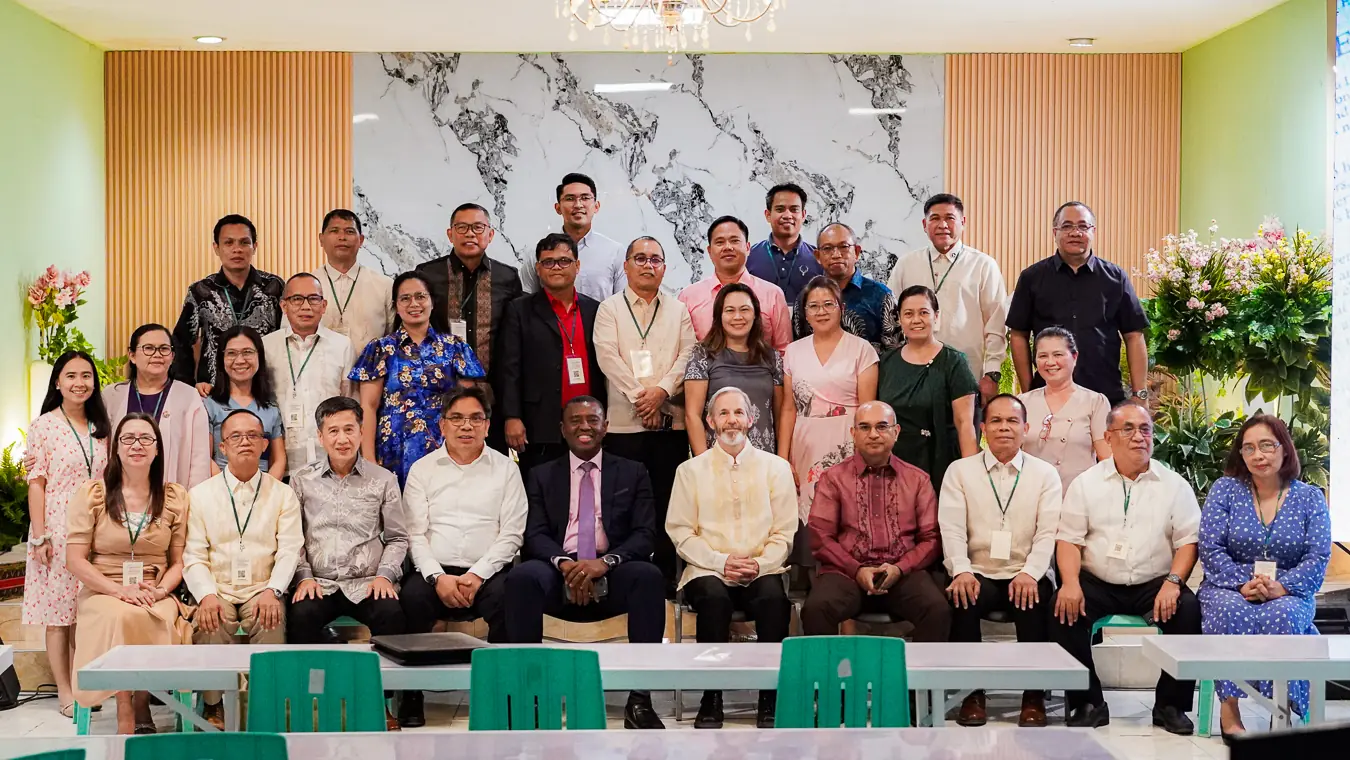
Rather than becoming absorbed in speculation, attendees were encouraged to focus on the spiritual characteristics attributed to God's people: faithfulness, purity, perseverance, and complete dependence upon Christ.
Perhaps the most practical discussions centered on preparation for Christ's return. Presenters repeatedly emphasized that readiness is not achieved through fear but through an ongoing relationship with Jesus. Ellen White's descriptions of revival, reformation, and heart surrender provided a balanced framework for spiritual growth.
Preparation for the Second Coming, speakers argued, involves daily communion with God, faithful Bible study, earnest prayer, active witness, and loving service. It is less about predicting future events and more about allowing the Holy Spirit to transform the life.
The conference concluded by addressing a challenge increasingly faced by churches around the world: how to handle theological disagreements faithfully and constructively. Drawing lessons from the Jerusalem Council in Acts 15, presenters emphasized the importance of humility, careful Bible study, respect for differing viewpoints, and submission to the leading of the Holy Spirit.
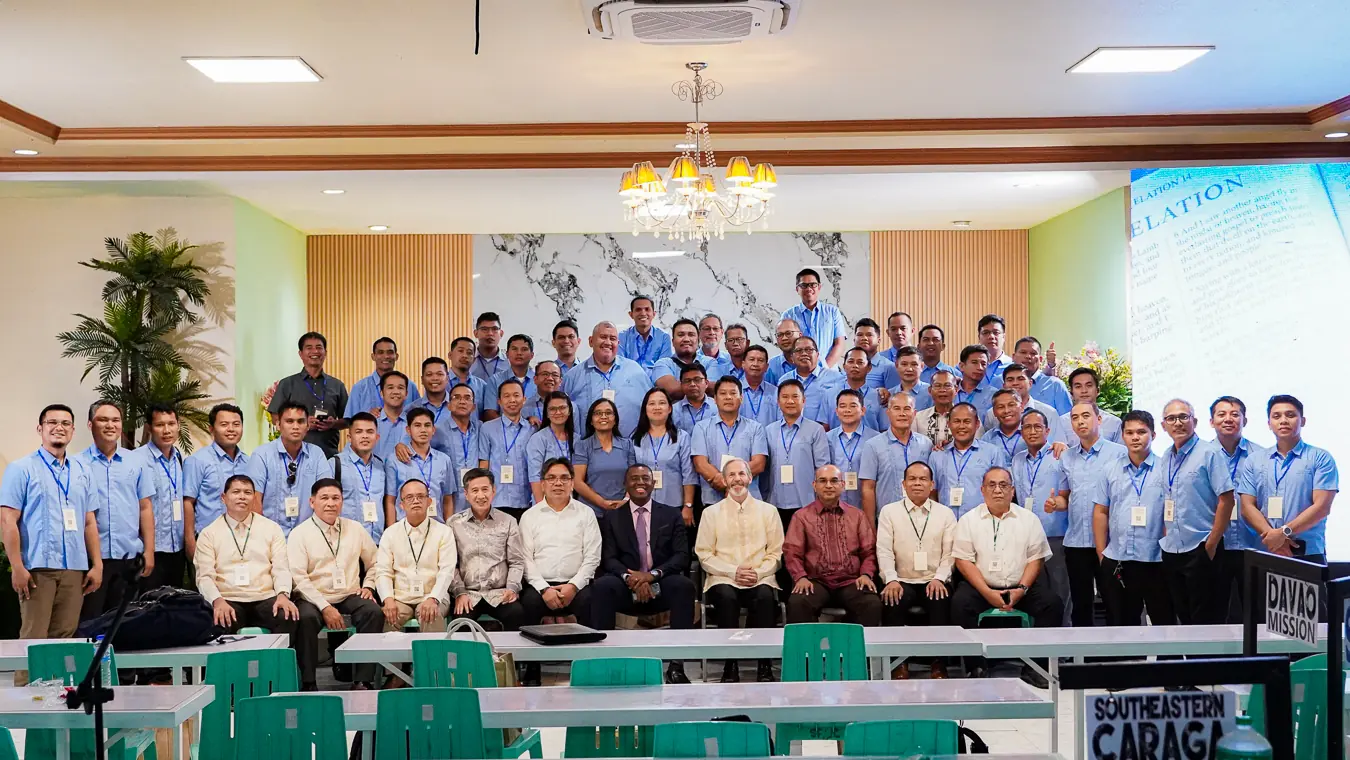
Ellen White's counsel regarding unity amid diversity resonated strongly with participants. Truth must be defended, but it must also be presented in a Christlike spirit. The church's credibility before the world depends not only on correct doctrine but also on the love with which that doctrine is taught and lived.
As the final session came to a close, one message stood above all others. The remnant church is not merely called to understand the last days; it is called to reflect the character of Jesus. Discussions about Last Generation Theology, the humanity of Christ, the remnant, the 144,000, the Holy Spirit, and mission all ultimately converge on one person, Christ Himself.
Deliberating on vital theological concerns were Pr. Ian Felicitas, Field Secretary of the 11-country headquarter of Adventists, the Southern Asia-Pacific Division (SSD), Pastor Clinton Wahlen, Ph.D., associate director of the Biblical Research Institute (BRI) at the worldwide headquarter or General Conference of Seventh-day, Pastor Kelvin Onongha, Ph. D., president of the Adventist University of Central Africa; Pastor Donny Chrissutianto, Ph. D. , Associate Professor of Historical and Theological Studies and Director of Master of Divinity program of Adventist International Institute of Advance Studies (AIIAS). Pastor Stephen Salainti, vice-president for Leadership; and, Pastor Kerry Estrebilla, associate executive secretary of SSD.
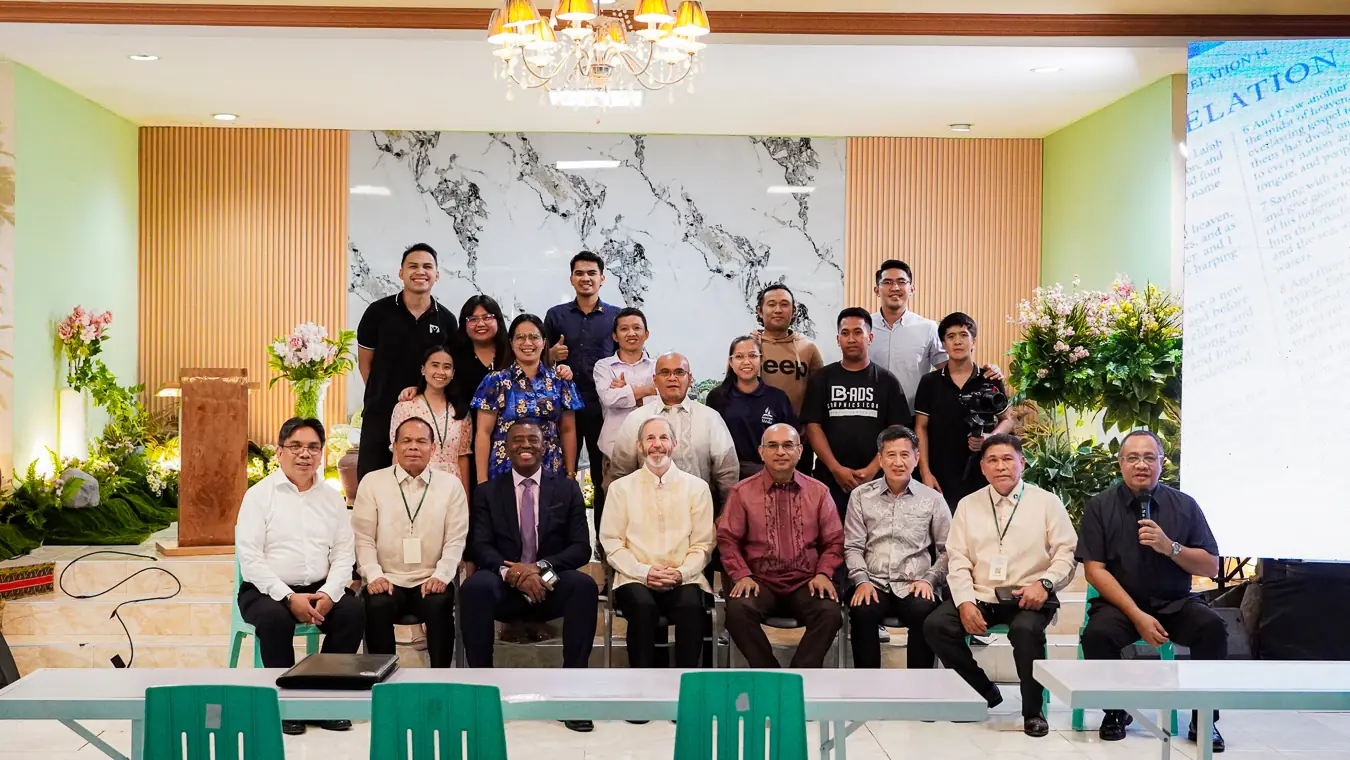
The conference reaffirmed that the church's greatest need is not simply more information about the end of time, but a deeper experience with the Savior of time. As Ellen White so often reminded believers, the final message to the world is not merely a message about prophecy. It is a revelation of Jesus Christ, His righteousness, His grace, and His transforming power in the lives of His people.
In a generation longing for certainty amid confusion, the conference left participants with a renewed conviction that God's end-time people are called to be a people of Scripture, a people of the Spirit, and a people of mission, preparing both themselves and the world for the soon return of the Lord.
"However, lest we offend them, go to the sea, cast in a hook, and take the fish that comes up first. And when you have opened its mouth, you will find a piece of money." (Matthew 17:27)
Among all the miracles of Jesus, the story of the coin in the fish's mouth stands out as one of the most unusual. Jesus instructed Peter to catch a specific fish, and inside its mouth would be the exact amount needed to pay the temple tax for both of them.
This miracle was not merely about money. It was about revealing who Jesus is.
Jesus knew where the fish was. He knew which fish had swallowed the coin. He knew exactly when that fish would bite Peter's hook. The greatest miracle was not the coin in the fish's mouth. The greatest miracle was that Jesus already knew it was there.
The story reminds us that God is never surprised by our circumstances. Before we face a need, He already knows the solution. Before we encounter a challenge, He has already prepared a way forward.
Throughout Scripture, God repeatedly demonstrates that He is the God of the impossible. He fed Israel with manna in the wilderness. He calmed the storm on the Sea of Galilee. He enabled the blind to see and the lame to walk. The same Jesus who commanded the waves and supplied Peter's need is still at work today.
Ellen G. White beautifully writes:
“Not one falls to the ground without the notice of our heavenly Father. The flowers of the field, the grass which clothes the earth with lushness, all share the notice and care of our heavenly Father.” The Upward Look , Page 201
The lesson of the miracle is not merely provision but trust. Peter was asked to obey a command that made little sense from a human perspective. Yet obedience opened the door for him to witness God's power. As Spirit of Prophecy also reminds us:
"The path of obedience is the path of safety." The Signs of the Times (June 23, 1887)
This account teaches several practical lessons:
Humility to trust God even when His instructions seem unusual.
Wisdom to choose our battles carefully, as Jesus did.
Priority to put God first in our lives and ministry.
Sufficiency to believe that God will supply our needs according to His riches.
Security to rest in the knowledge that our lives are safely in His hands.

Sometimes our problems seem as vast as the Sea of Galilee and our resources appear painfully small. Yet the God who placed a coin in the mouth of a fish has unlimited resources at His command. As Haggai 2:8 declares, "The silver is Mine, and the gold is Mine, says the Lord of hosts."
The message of Matthew 17 is clear: there is no such thing as an impossible situation when it is placed in the hands of an omnipotent Savior. Our God owns the cattle on a thousand hills, commands the seas, and directs the movements of fish. He is still able to provide, protect, and prevail on behalf of His children.
When fear, uncertainty, or lack confronts you, remember this simple truth:
The God we serve still has a "bank in the sea."
The digitized registration and checking of attendance, the organized food distribution, the triumphant songs after every meaty sermon and the power glitches became part of this unifying history. But let us remember this one: “As brethren of our Lord, we are called with a holy calling to a holy, happy life. Having entered the narrow path of obedience, let us refresh our minds by communion with one another and with God. As we see the day of God approaching, let us meet often to study His Word and to exhort one another to be faithful unto the end.” Our Higher Calling, 166.3


