
DAVAO CITY, Philippines — Adventist Possibility Ministries (APM) continues to embody its mission of inclusion and dignity, reaching those often overlooked by society. At the Southeastern Philippine Union Mission (SePUM), the ministry is directed by Mrs. Aida Lamera, RN, whose 19 years of hospital service have shaped her compassion and expertise in caring for people with diverse needs especially “those who can hear with the eyes.”
The ministry’s focus is on the deaf and hard of hearing, the blind and low vision, those with physical and mobility challenges, individuals facing mental health and emotional wellness issues, orphans and vulnerable children, widows, widowers and experiencing bereavement, and also the caregivers. These groups are seen not as limited, but as “gifted, needed, and treasured.”
Recognizing the barriers faced by the hearing‑impaired individuals, Lamera introduced Basic Sign Language Training or Deaf Culture Immersion, which highlights the shared language, traditions and identity of the deaf community, as the initial program of SePUM’s APM.
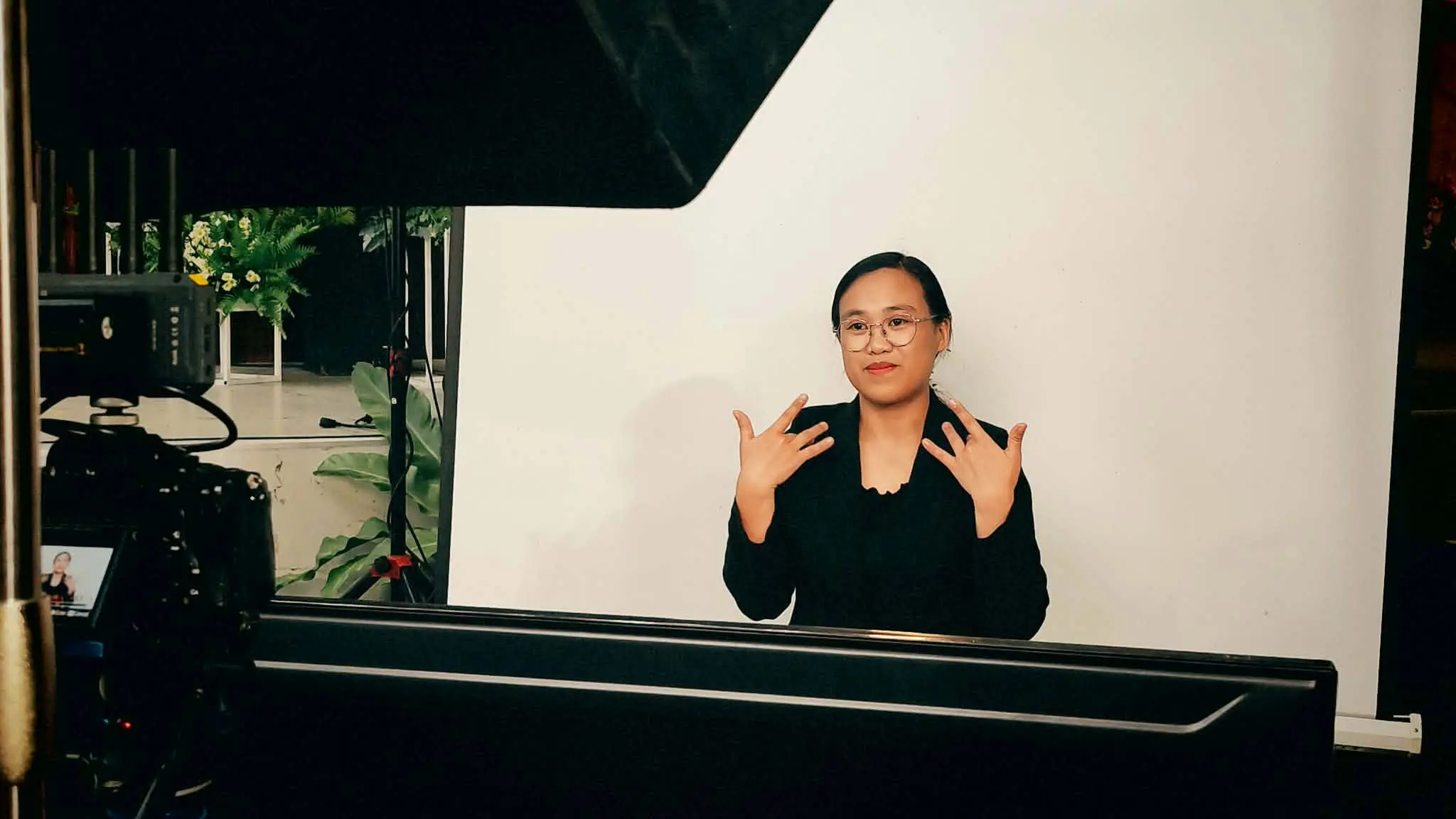
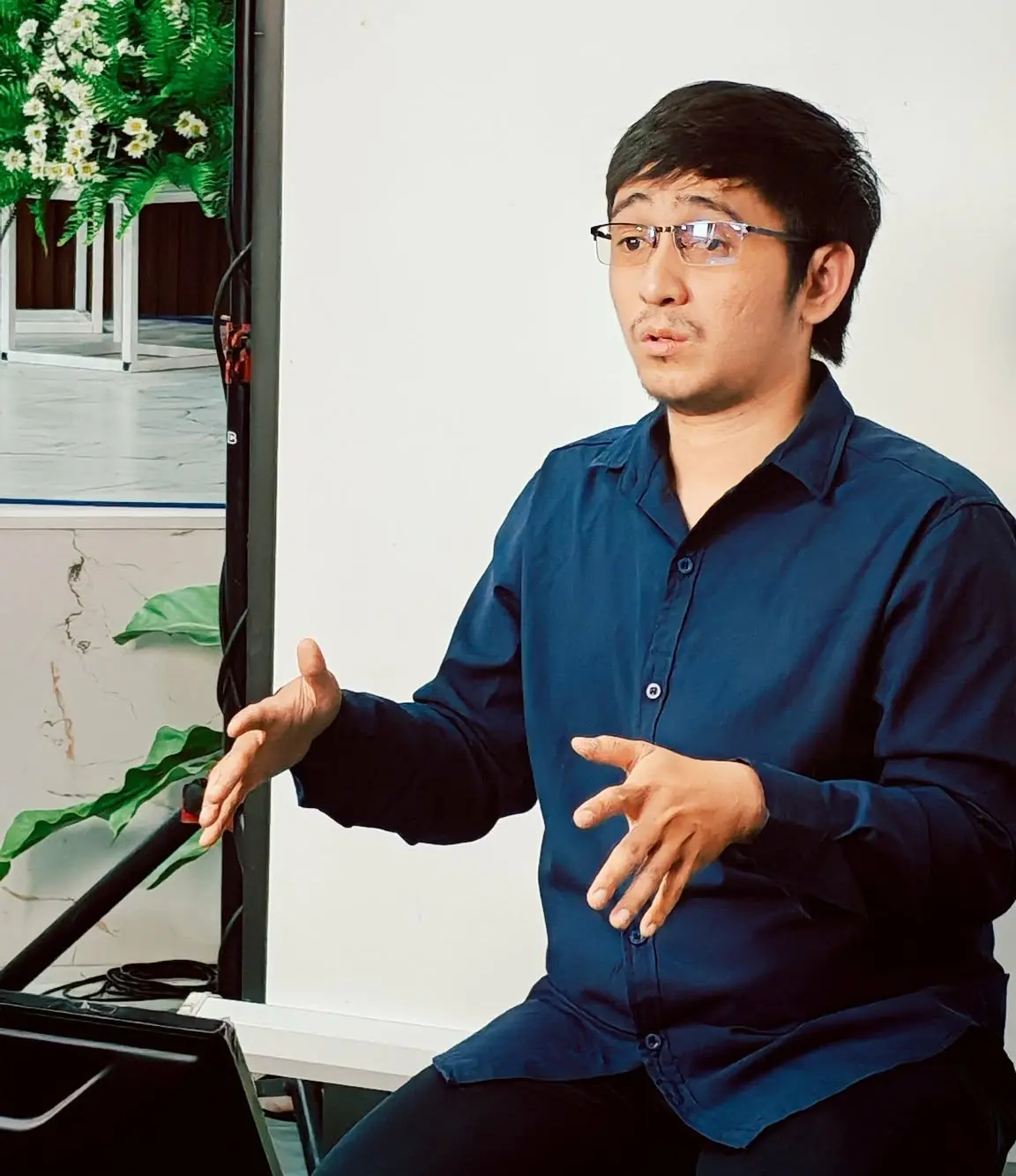
In April 2026, five delegates with the APM directors from each of the five missions, gathered at Davao Mission for intensive instruction. Volunteers from the SULADS Deaf Literacy Center in San Jose, Malaybalay City, Bukidnon — led by Ms. Lucienne Sabugaa and Irel Jones Causing, coached the trainees alongside children of God with hearing challenges.
The delegates studied alphabet and fingerspelling, basic vocabulary, contextual signs for rural life, grammar and sentence structure, and conversational skills in Filipino Sign Language. They practiced greetings, role‑play dialogues and storytelling, often tied to Bible lessons. After three days of training, their learning continued through daily Zoom meetings, reinforcing skills and building confidence.
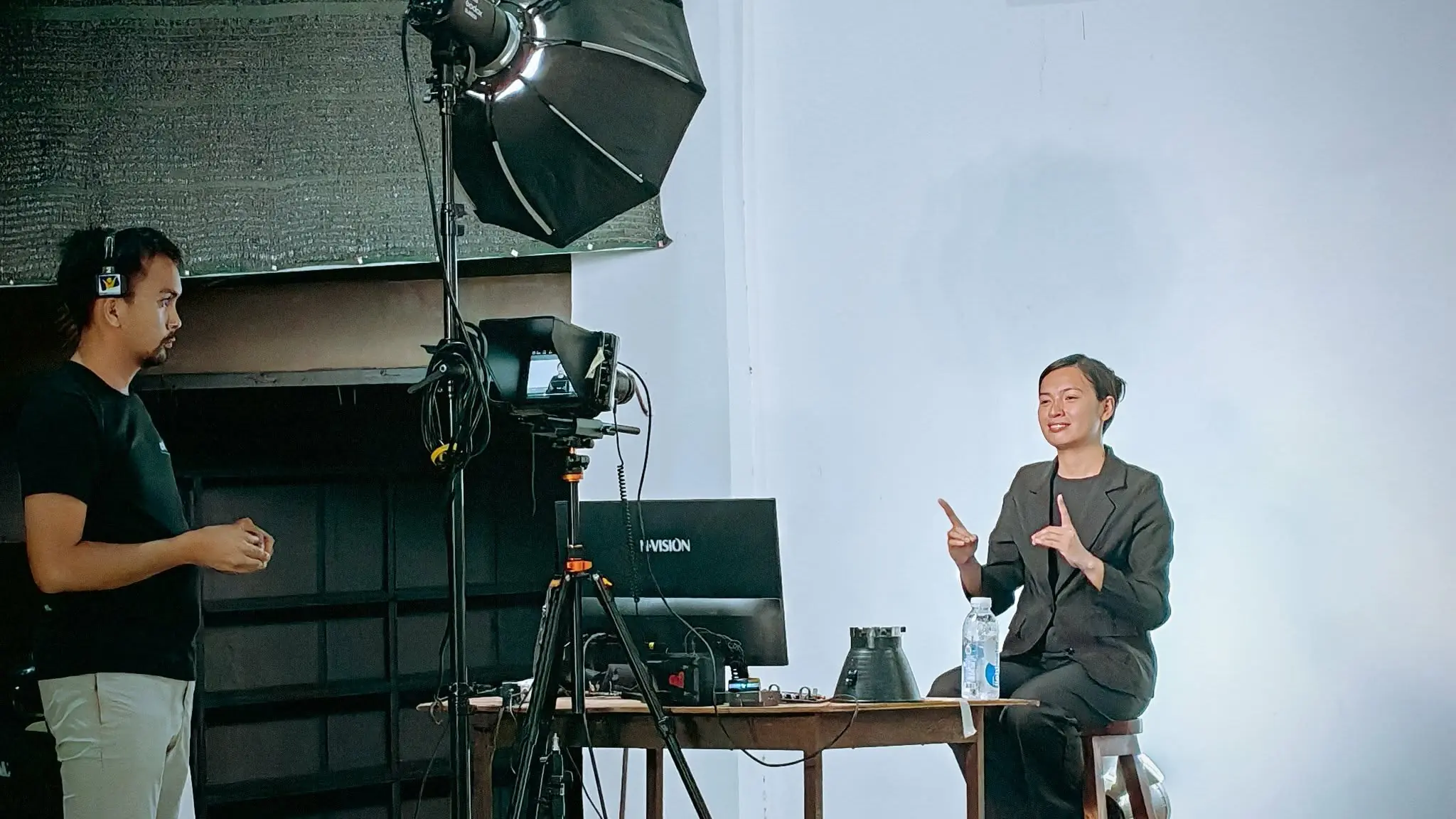
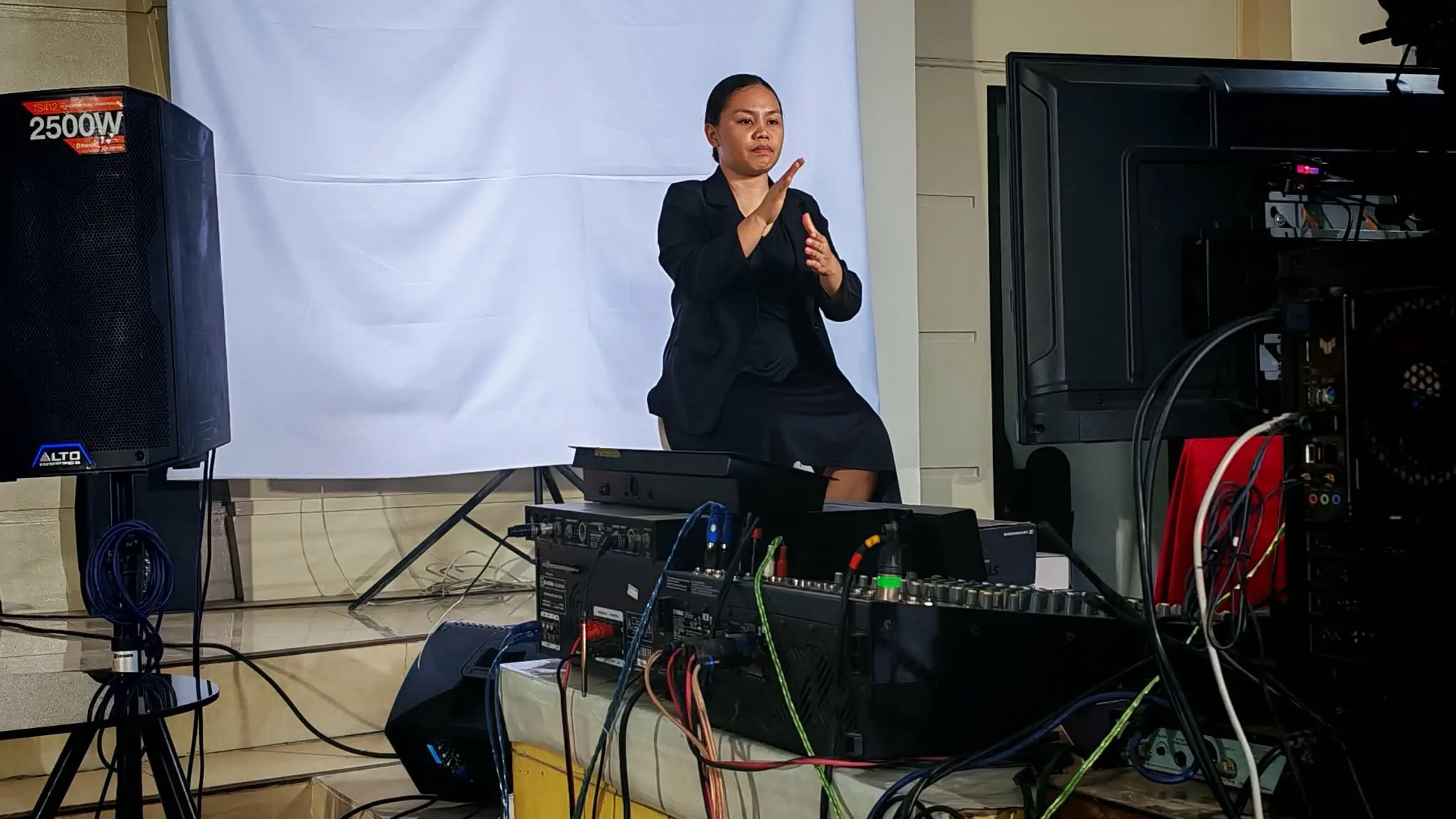
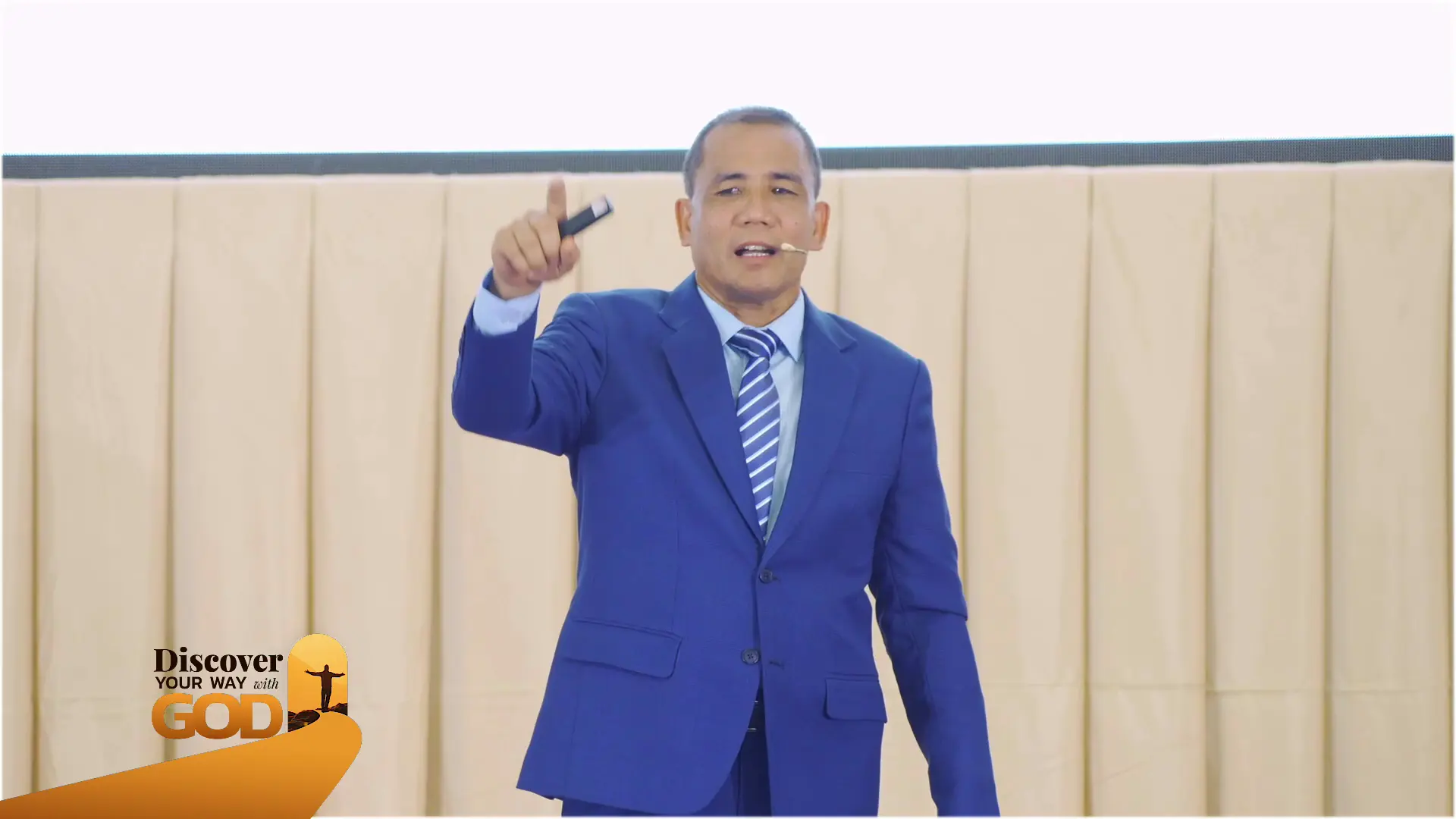
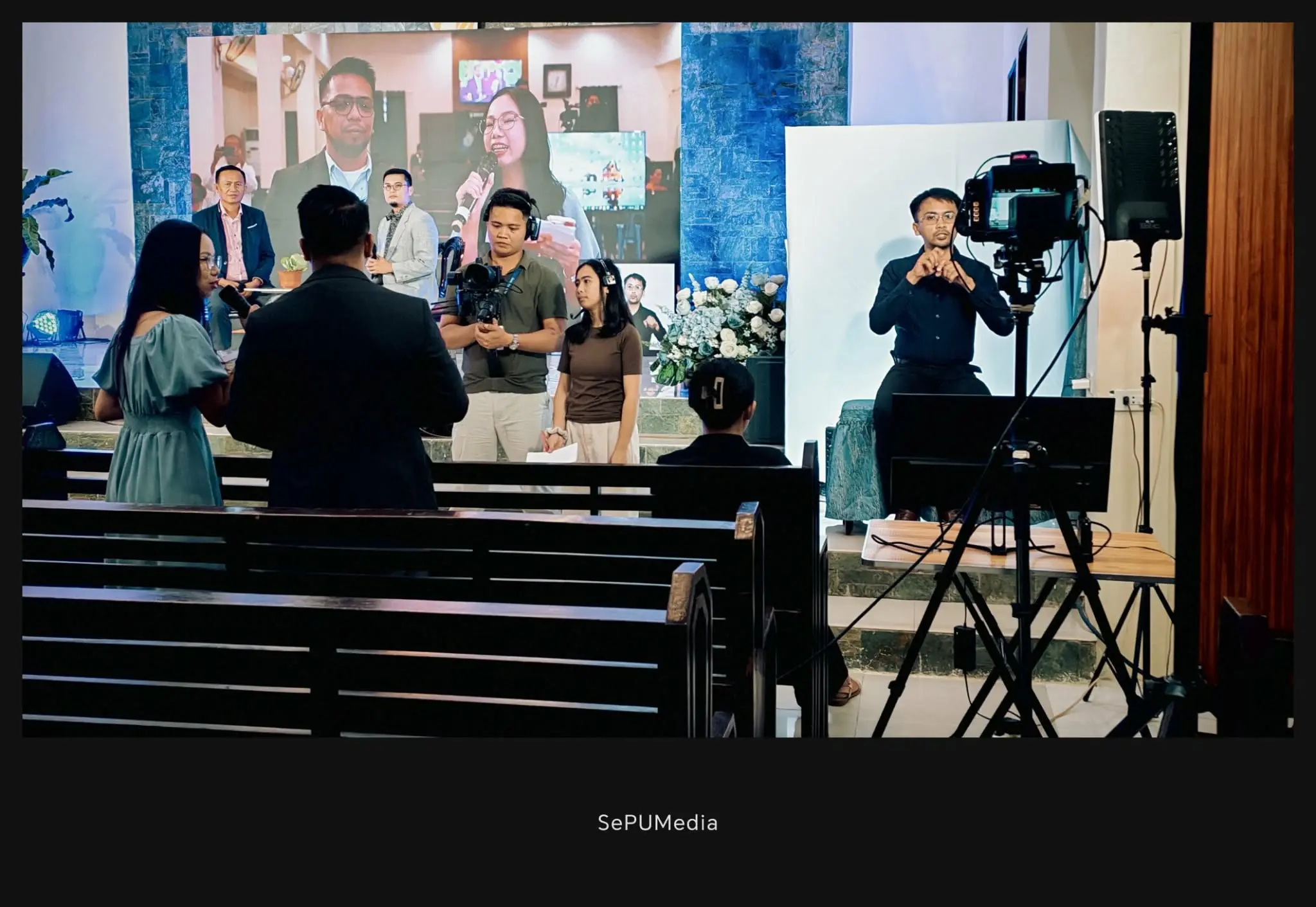
The fruit of this effort was evident during the Sabbath School Teachers’ Training and the recently-concluded 15‑day “Discover Your Way with God” Season 2 (DYWGs2) digital evangelism, broadcast LIVE!!! from one mission to another. Sign language interpreting relayed sermons, songs, discussions and even host spiels, ensuring that the message of salvation reached the deaf community. “Faith comes by hearing, and hearing by the word of God” (Romans 10:17), yet through sign language, faith also comes by seeing — a testimony that God’s Word transcends barriers.
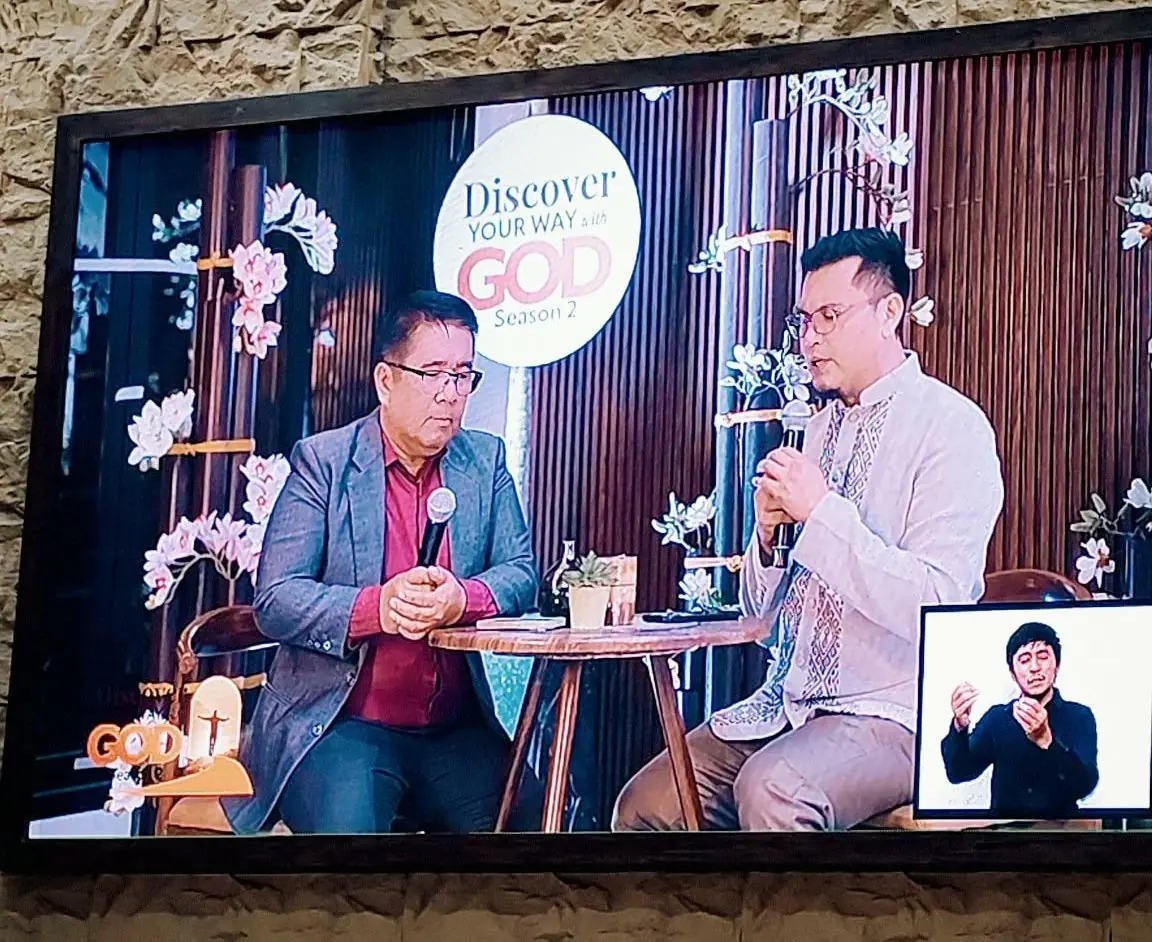
Sustainability marks the strength of this initiative. Interpreters now serve in their local churches, districts and mission‑wide programs, proving that inclusion is not a one‑time event but a continuing ministry. Plans are underway for these communicators to coach a second batch of trainees, with hopes of involving South Philippine Adventist College, Adventist Hospital Davao and other schools. Ellen G. White once wrote, “Christ’s method alone will give true success in reaching the people. He mingled with men as one who desired their good.” (Ministry of Healing, p. 143). By equipping interpreters, APM follows Christ’s method — mingling, serving and teaching in ways that meet people where they are.
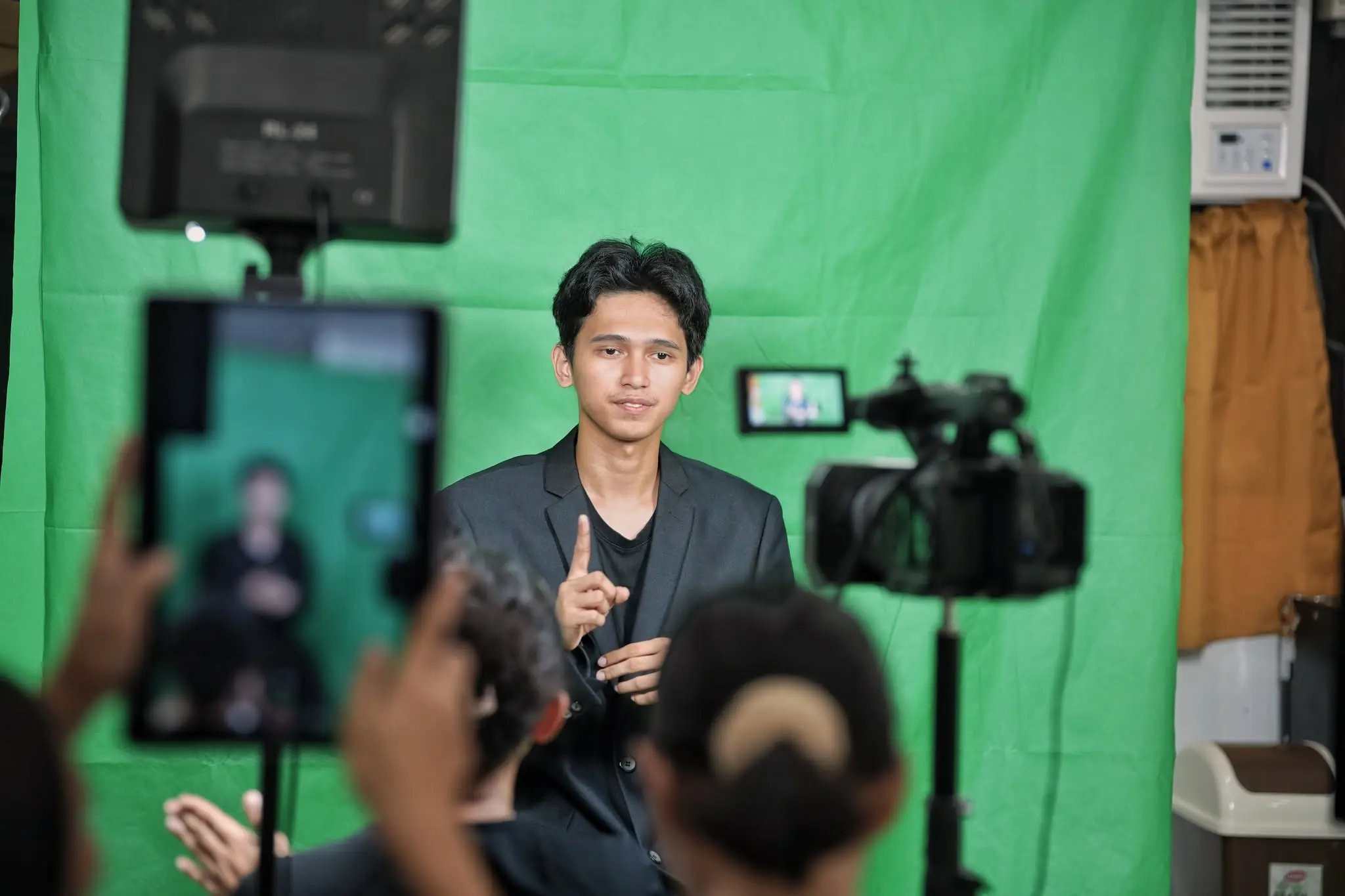
The ministry’s objective is clear: to affirm that every person is gifted, needed and treasured in God’s family. Through programs like manual communication interpreting, APM transforms limitations into possibilities, echoing the promise of Philippians 4:13: “I can do all things through Christ who strengthens me.”
As interpreters lift their hands in signs of praise and relay the everlasting gospel, they embody the vision of a church where no one is left behind. The work of Adventist Possibility Ministries in SePUM is not merely about communication or something like social work — it is about communion, ensuring that all may hear, see and know the love of Christ. Most importantly, the “sacred language hand sign mediation team” is now an integral part of the SePUM’s and local church’s media and communication group.
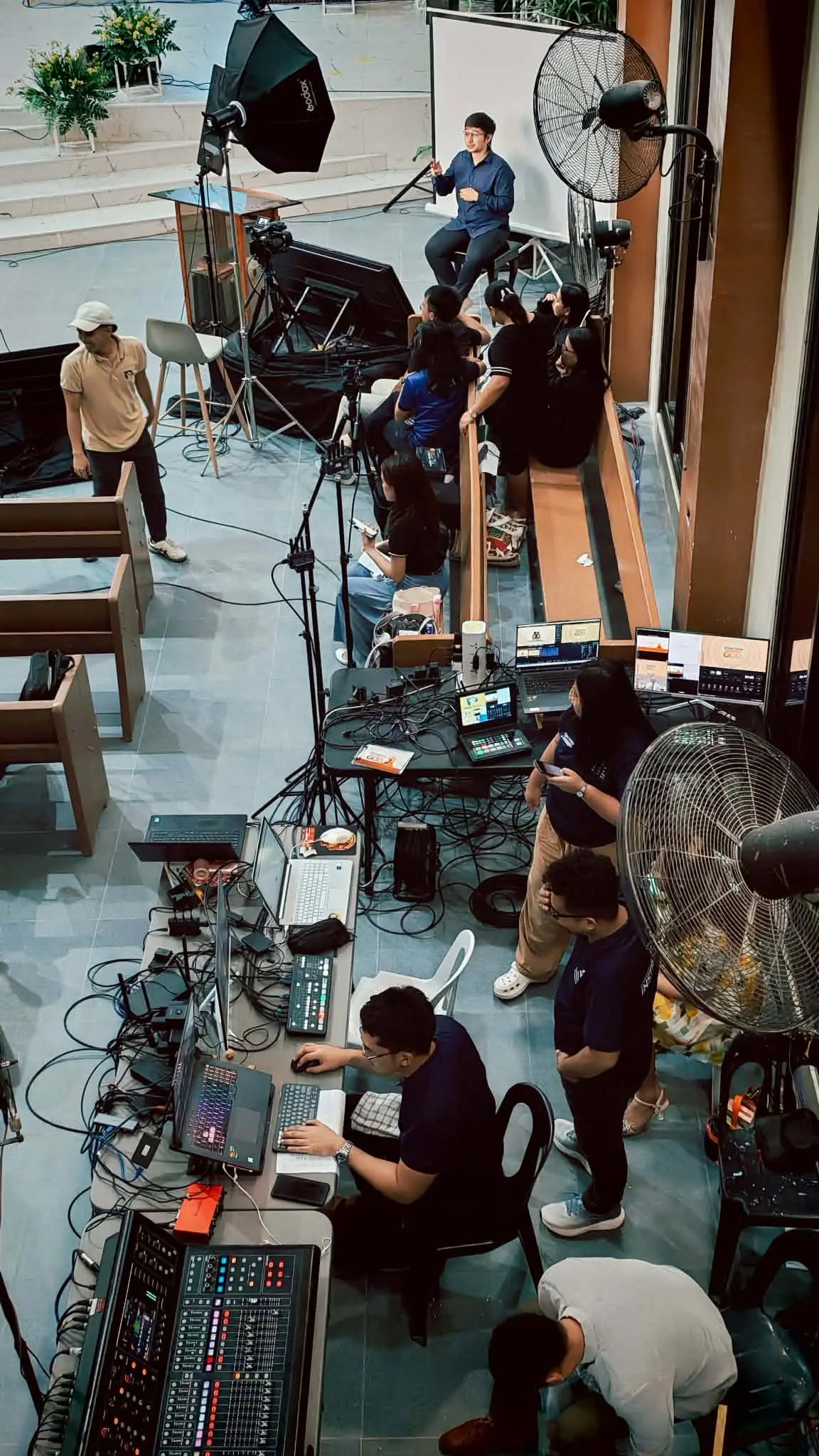
Ma’am Lamera shared a Spirit of Prophecy writing that is worthy of every believer's attention, “Widows and orphans, the blind, the deaf, the lame, and persons afflicted in a variety of ways have been placed in close Christian relationship to His church; it is to prove His people and develop their true character. Angels of God are watching to see how we treat these persons who need our sympathy, love, and disinterested benevolence. This is God’s test of our character.” Ellen G. White, Testimonies for the Church 3:511.
During their training, the missionaries were reminded that sign language is the modern “tongue of fire” and in essence, sign language in evangelism is not just a tool—it is a ministry of presence, love, and equality. It reflects the Kingdom of God where no one is left out, for everyone joins in worship and all could understand.
Photos:
SePUM Communication