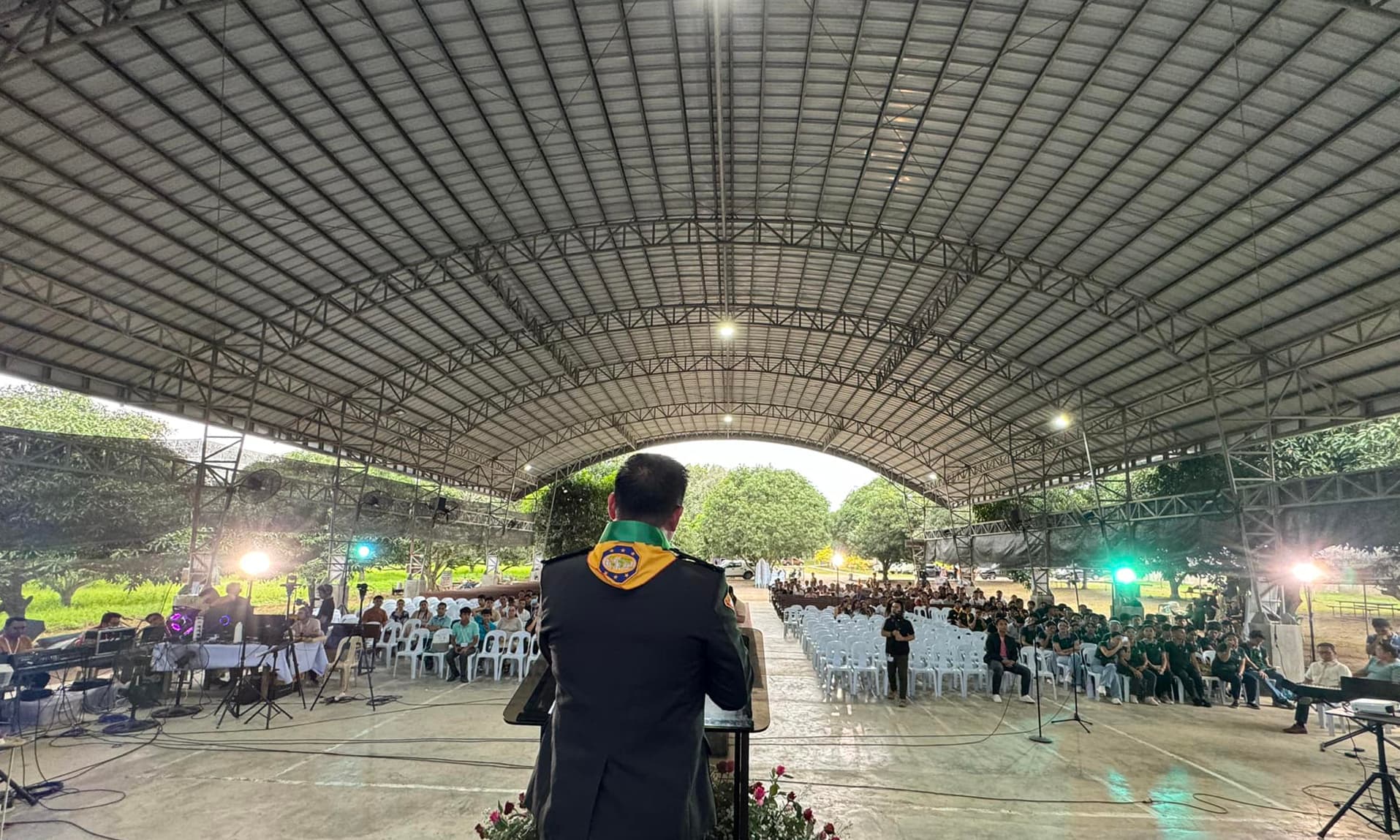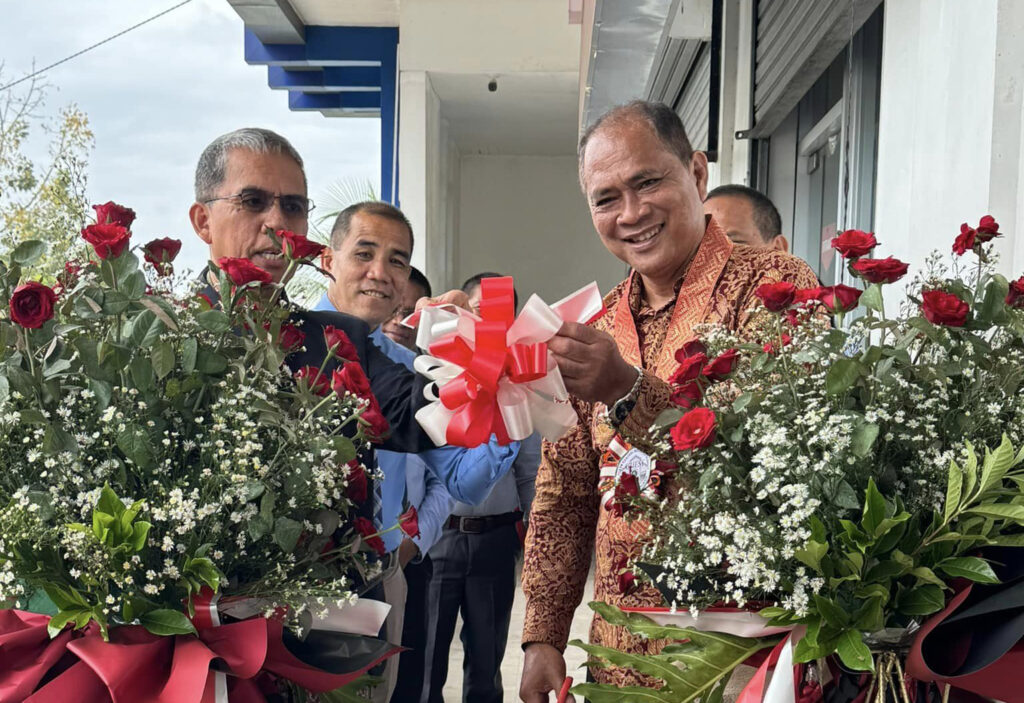

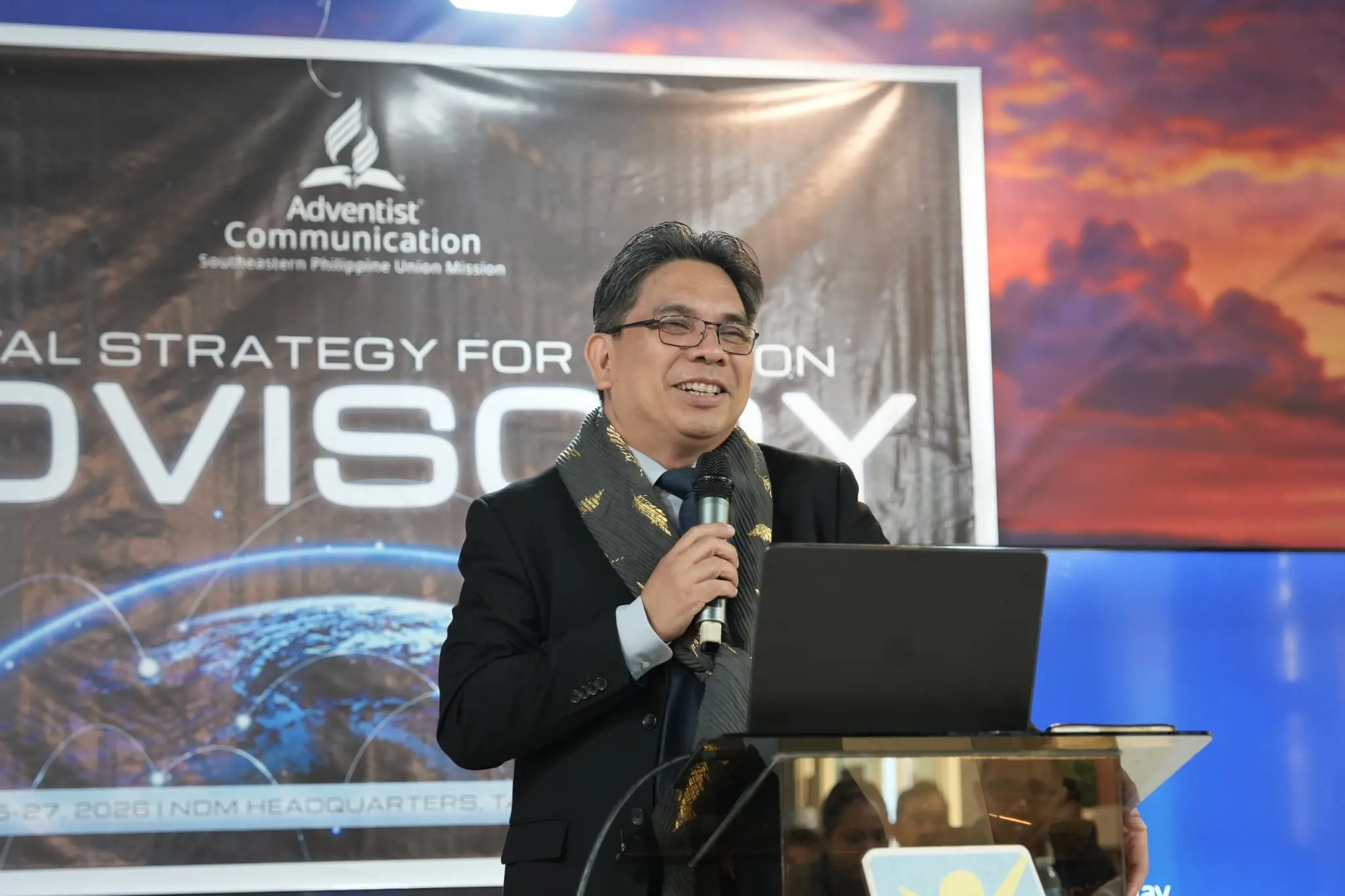
Digital Strategy for Mission (DSM) Advisory and Adventist Communication Training (ACT) were launched by the Communication Department of the Southeastern Philippine Union Mission to help church leaders, media workers, and congregations harness digital platforms for evangelism, discipleship, and community care. The event was held on June 25–27 at the Hope Channel Northern Davao studio, Northern Davao Mission Headquarters, Tagum City.
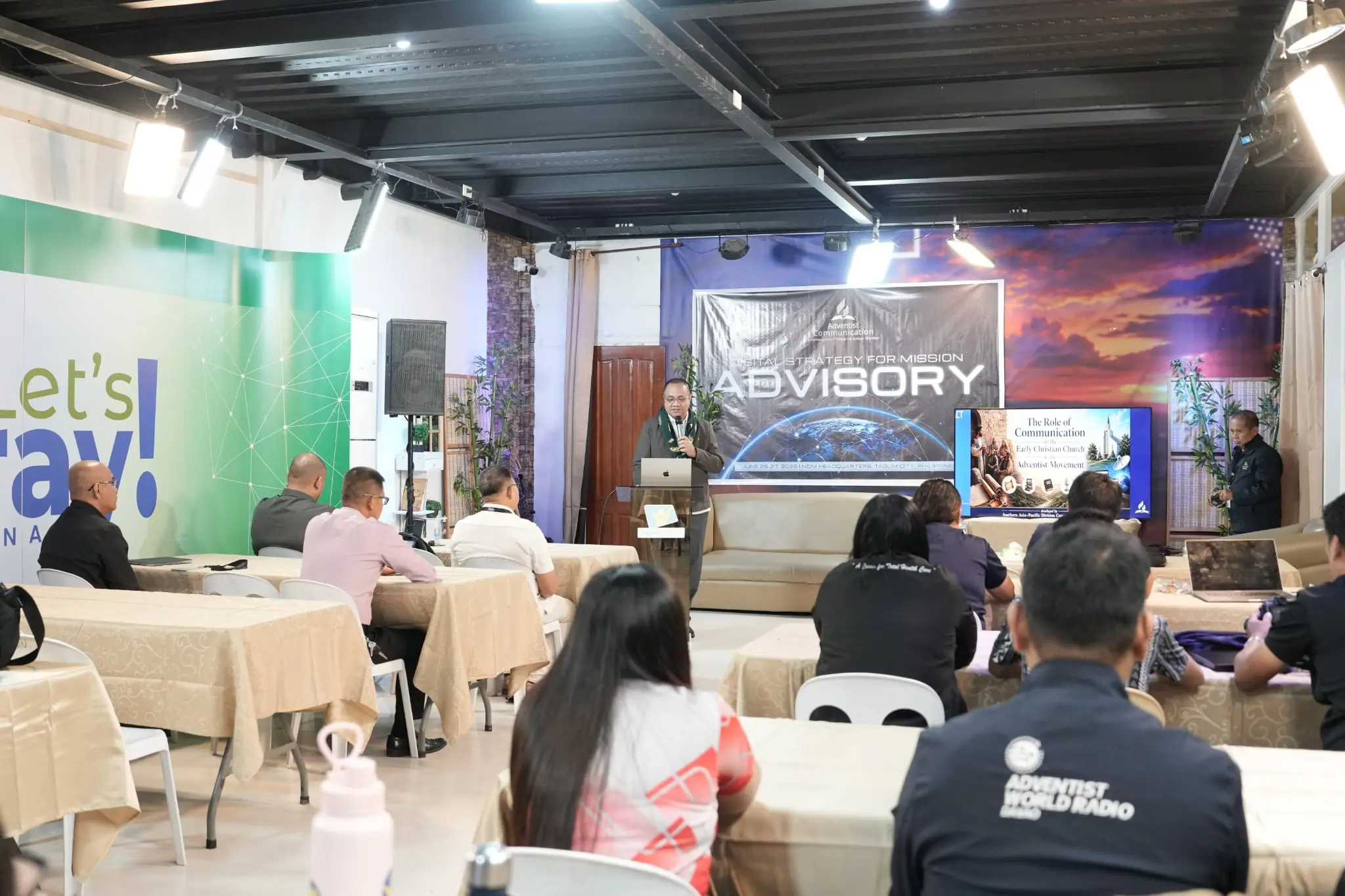
Spearheaded by Sir Rhoen Shane Catolico, SePUM Communication/Media/PARL Director, together with five teammates, the event gathered media teams from five unions and two institutions within the territory. Communication Directors and their delegates actively joined the activity.
Davao Mission was represented by seven communicators led by Pr Jaffet Legario, while Pr Elmer Romano brought a team of five from the Southern Mindanao Mission (SMM). The South Central Mindanao Mission (SCMM), led by Sir June Clyde Murillo, had one teammate, and the Southeastern Caraga Mission delegation of three was headed by Pr Jesreel Mercader. Adventist Hospital Davao’s media team of three was led by Ma’am Joann Hallarces, while South Philippine Adventist College (SPAC) sent three members under the leadership of Ma’am Sheira Cagasan. As host, the Northern Davao Mission (NDM), led by Pastor Regie Mahinay, provided the venue and accommodation, with eight communicators participating.
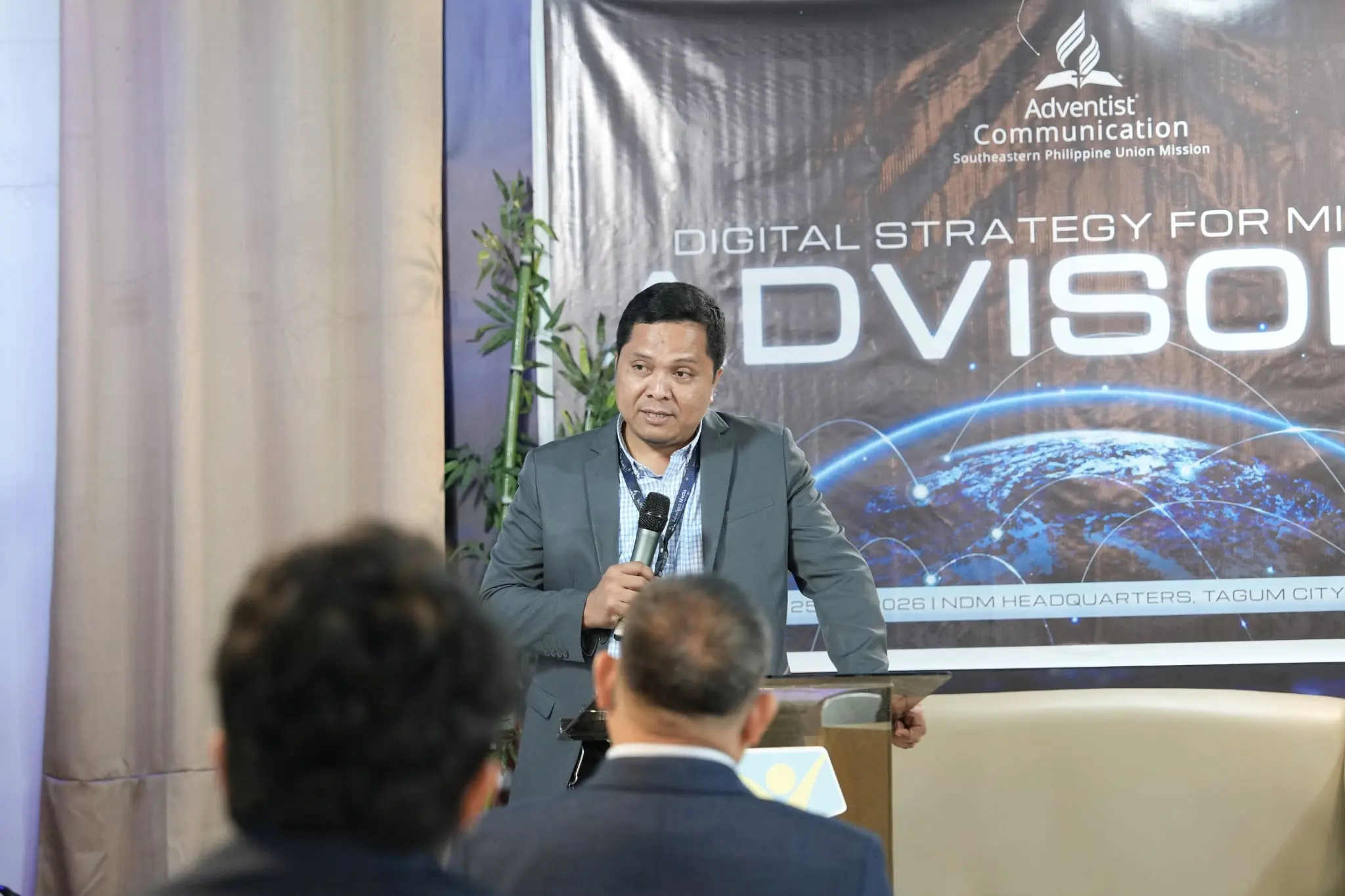
The training emphasized phased growth—from building digital presence to streaming services and offering spiritual care online—while ensuring biblical integrity and alignment with the church’s mission. Pastor Carlito Quidet Jr., Communication Director of the 11-country Adventist headquarters known as the Southern Asia-Pacific Division (SSD), spoke on the biblical foundation of communication in the Old and New Testaments and the role of communication in the last days of earth’s history.
The biblical foundation of communication for mission rests on God’s initiative to reveal Himself and His saving purpose through words, actions, and relationships. In Adventist belief, both the Old and New Testaments show that communication is central to God’s mission—whether through covenant promises to Israel or the Great Commission of Christ. From the creation mandate, humanity was made in God’s image to steward the earth and reflect His character. Communication here is relational—God speaks, blesses, and entrusts responsibility. God promised to bless all nations through Abraham, showing mission as blessing, not domination. Prophets communicated God’s will through words and symbolic acts, often emphasizing justice, mercy, and inclusion of outsiders. Christ embodied communication—He taught in parables, healed, and lived among people. His incarnation is God’s ultimate “Word made flesh” (John 1:14). In Matthew 28:19–20, Jesus commands His disciples to “go and make disciples of all nations.” Communication here is teaching, baptizing, and living out His presence.
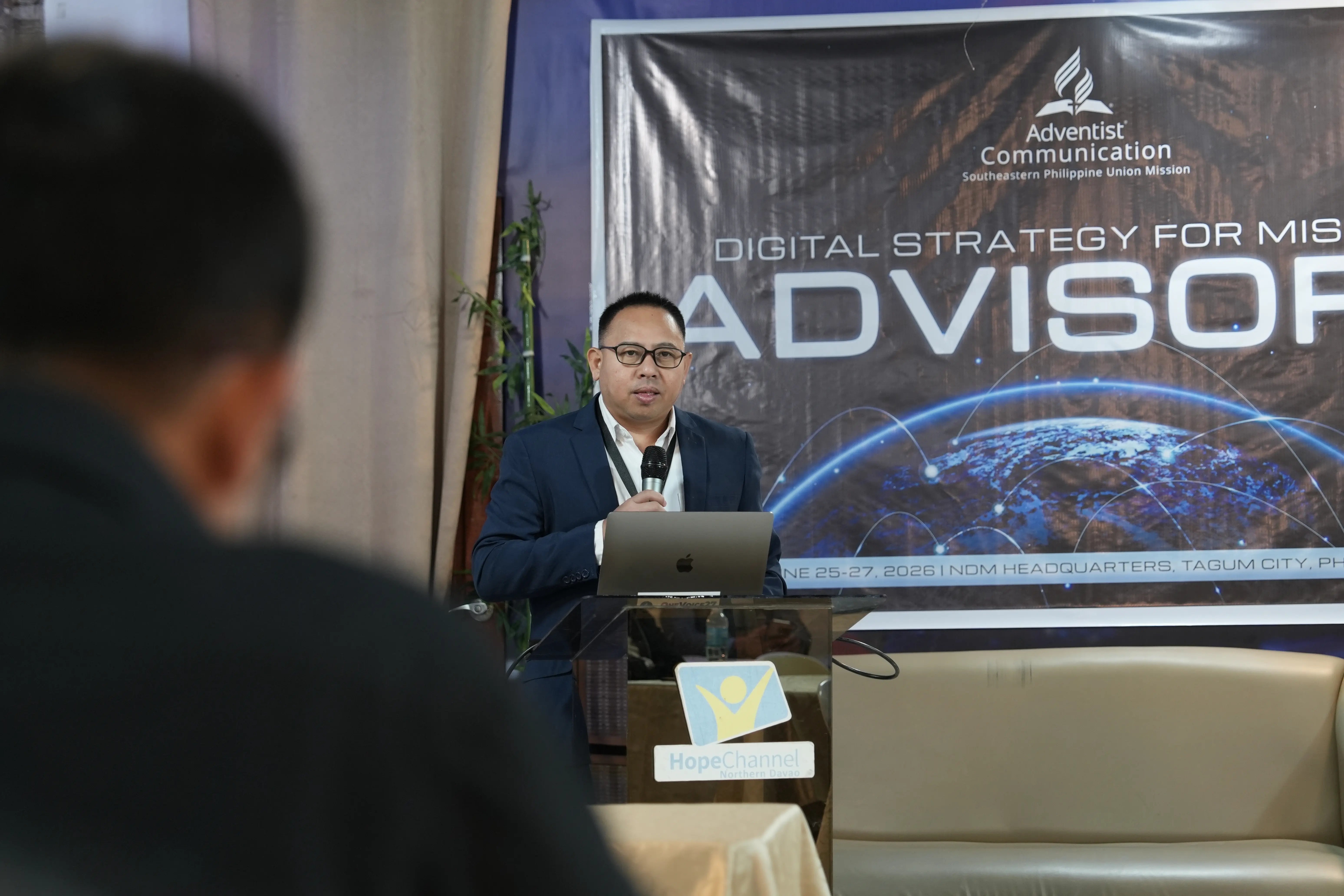
Pastor Quidet also shared insights on the role of communication in the last days, emphasizing: “We are already in the days where the world is falling apart. Calamities are happening every now and then and all over the world. These are looming around us, and we believe that Jesus will not come when the world cannot experience the glory of God.”
In addition, Pastor Jun emphasized that communication leaders are bridge builders, weaving together mission, message, and community with words that heal, inspire, and unite—like living bridges of grace that carry the gospel across cultures and hearts. Yet their work demands careful planning, wise action, and faithful implementation, so that church communication is not scattered or shallow but purposeful, clear, and Spirit-led. In this harmony of vision and execution, communication becomes both art and stewardship, ensuring that the mission flows with strength and the message reaches its intended home in the community.
“The advisory messages became a blessing for us in the ministry as they gave us awareness of the importance of enhancing communication to reach people from different walks of life.” confided Pastor Jerald Lawag, a neophyte AB Theology graduate and Northern Davao Mission (NDM) Media Volunteer for three years.
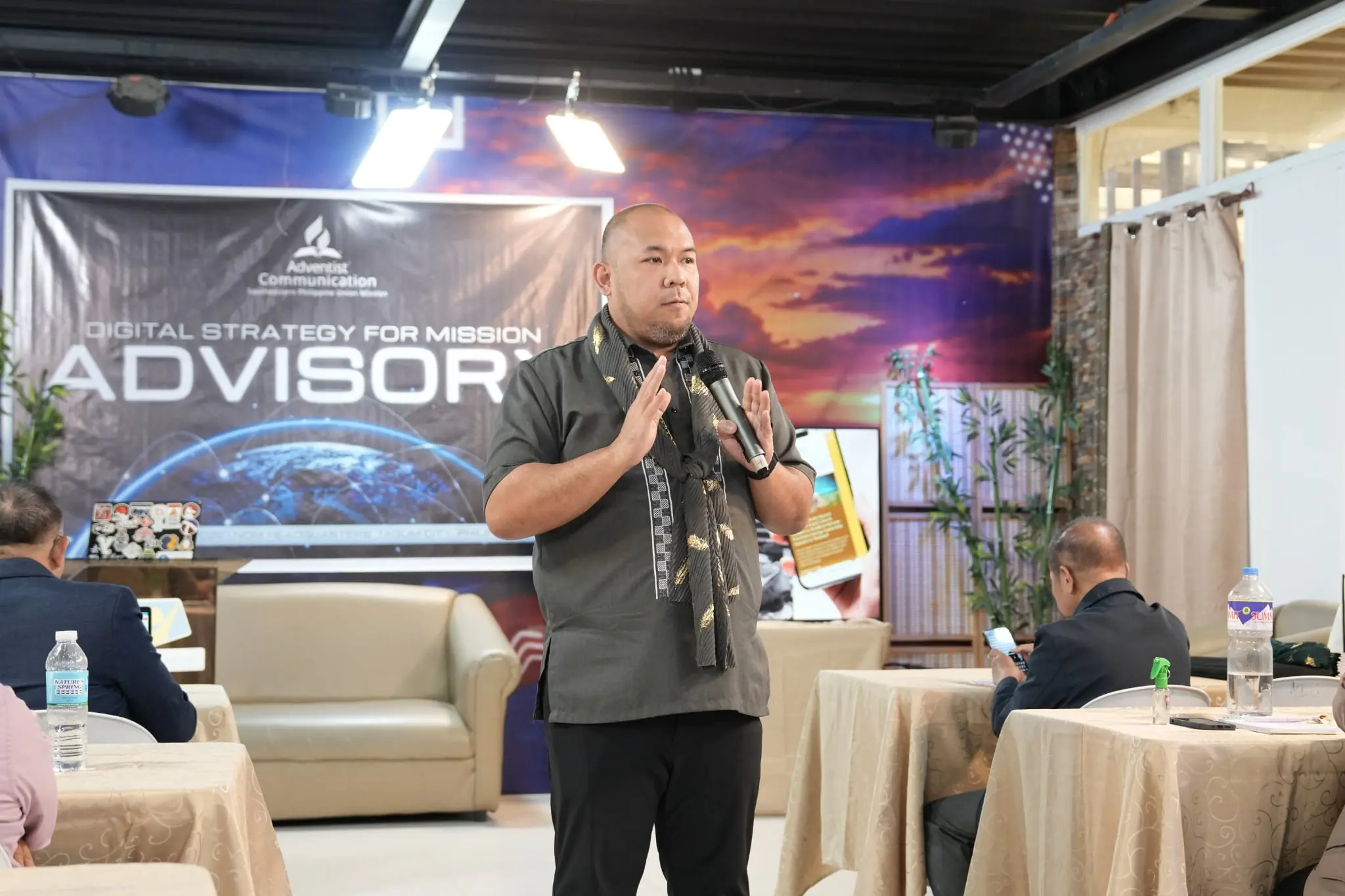
Sir Edward Rodriguez, SSD Assistant Communication Director for Media, also emphasized the need for tailored communication, content must resonate with each group’s realities, coded ABCDE. Group A refers to active Adventists, Group B to inactive members, Group C to friends, relatives, and neighbors of Adventists who may not be members but are open to spiritual influence and gospel-centered programs. Group D refers to distinct faith groups or people from other religious traditions, including interfaith audiences, who can be reached through respectful, contextualized communication. Group E, on the other hand, is the wider public, including secular or unchurched individuals, who may encounter our media outreach and be drawn to Christ’s message.
Sir Edward further expounded on the importance of communication, news and media, missional Facebook posting, visual language, visual productions, and other concepts. A vital concern is that social media content-making and engagement must be beneficial for the upcoming OneVoice27. It should be missional—more than just sharing information—it should inspire, connect, and point people toward Christ’s mission.
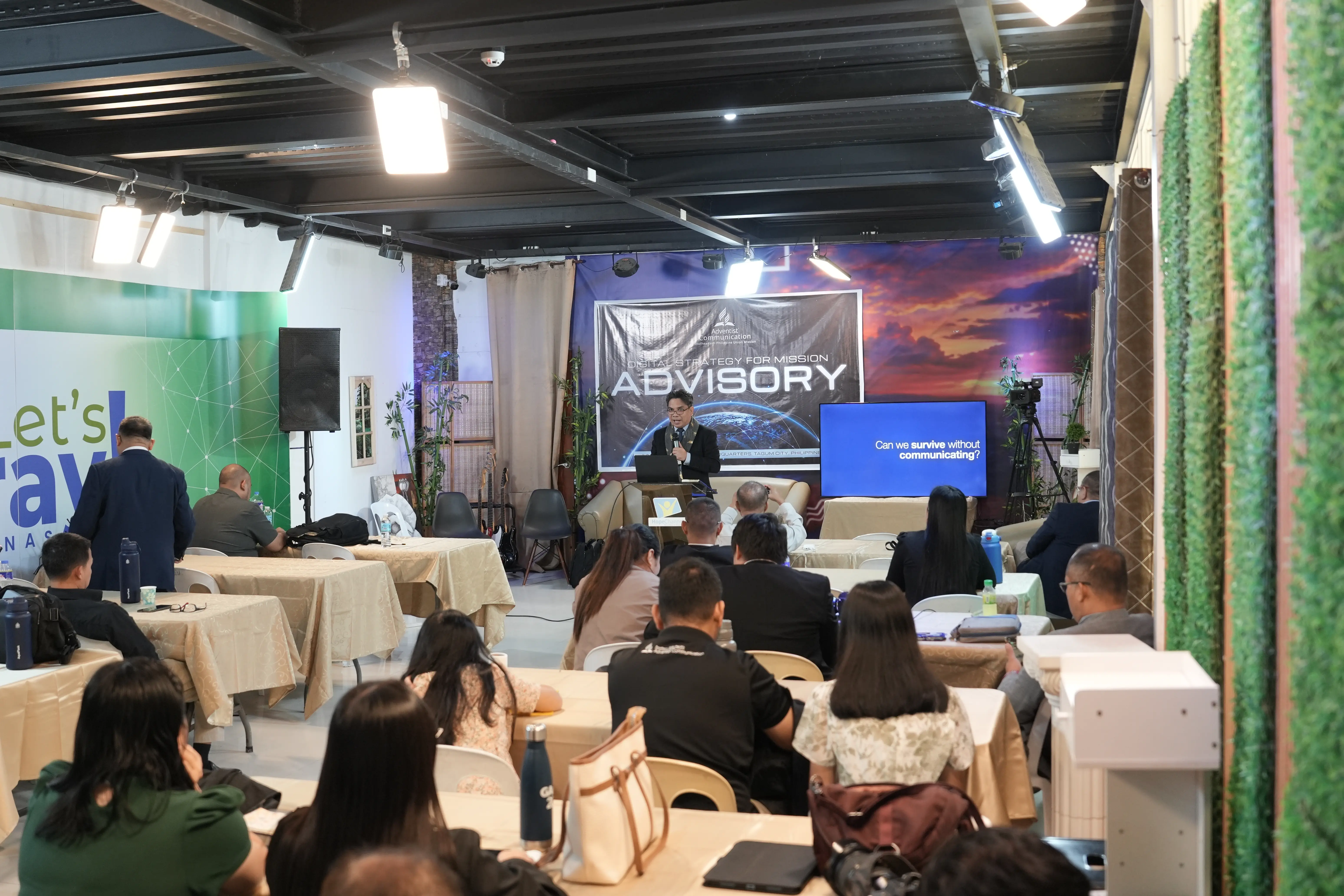
Sir Anthony Stanyer, SSD Assistant Communication Director for Adventist Media Center, shared that Digital Strategy for Mission training could make social media impactful in bringing the good news to every door and person—trending and attention-grabbing, yet still faithful to the principles we always adhere to.
Sir Catolico spoke on the role of communication in the early Christian church, the Adventist movement, and Sabbath announcements and podcasts. He stressed that the Adventist movement was born through print and proclamation—tracts, books, and preaching carried the message of Christ’s soon return. Ellen G. White’s writings and the early publishing work became channels of truth, shaping doctrine and inspiring believers worldwide. Modern tools like podcasts continue this legacy, serving as bridges between pulpit and people.
Communication leaders in every church should check and share Sabbath announcements in an organized manner to keep congregations informed and united in mission, while podcasts extend the church’s voice beyond walls—reaching homes, phones, and hearts with timely, Spirit-led messages.
“We at Adventist Hospital Davao Media Team are deeply thankful for the invitation, as it has been a rich learning experience. One key realization we gained is the importance of helping one another in sharing God’s mission—so that in every content we create and share, our ultimate purpose is to glorify Him,” narrated Ma’am Joann Halarces, Adventist Hospital Davao’s Marketing and Media Head.
On Sabbath, Pastor Felixian Felicitas, SSD Field Secretary, shared beautiful thoughts about Adventist identity, which is defined by loyalty to Scripture, the Sabbath, and the hope of Christ’s soon return. It emphasizes the prophetic heritage of the movement, especially the Three Angels’ Messages of Revelation 14, as a call to global mission. This identity blends unity in doctrine with cultural adaptability, shaping a worldwide fellowship committed to holistic living and gospel proclamation.
In essence, communication has always been the heartbeat of mission—from the apostles’ voices to Adventist presses, and now through digital platforms—ensuring that the gospel remains alive, relevant, and accessible across generations.
The primary aim is the success of OneVoice27, a worldwide evangelism initiative of the Seventh-day Adventist Church set for September 2027, commemorating 2,000 years since Jesus’ baptism and the start of His public ministry. Its theme, “Mission for All – All Things New” (Revelation 21:5), calls the global church to unite in proclaiming renewal and hope in Christ. Through coordinated outreach, digital media, and local engagement, OneVoice27 seeks to mobilize every member to share the everlasting gospel with “every nation, tribe, tongue, and people.”
The Spirit of Prophecy says: “Let every worker… study, plan, devise methods, to reach the people where they are” (Ellen G. White, Evangelism, p. 122). Gospel Workers, p. 352, inspires: “The work of God in this earth can never be finished until the men and women comprising our church membership rally to the work, and unite their efforts with those of ministers and church officers.”
Be one in sharing the Three Angels’ Messages—your content, reactions, and sharing will always be priceless, leading many to the feet of Jesus.