
This time let’s talk about obedience and standing firm for God and for others.
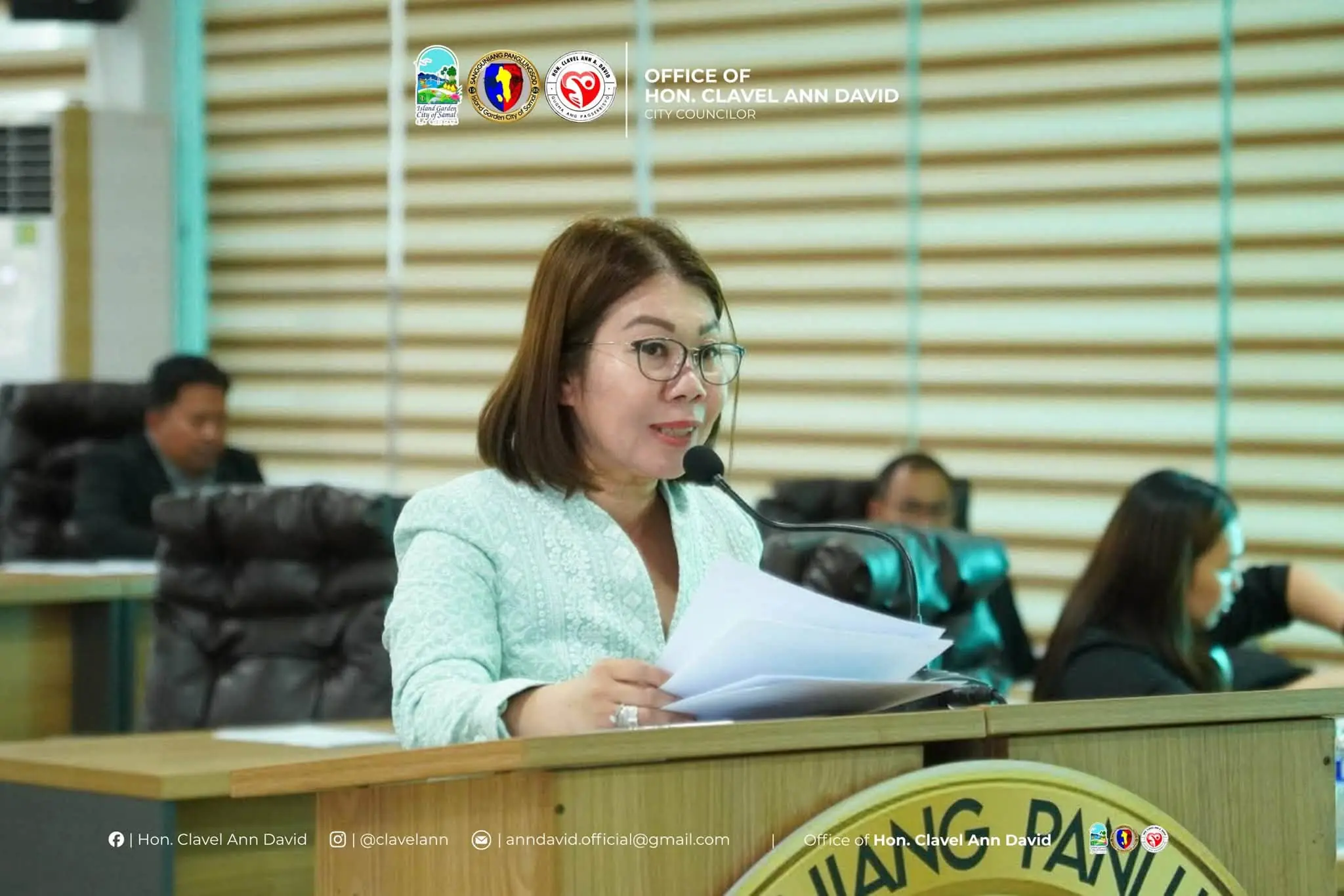
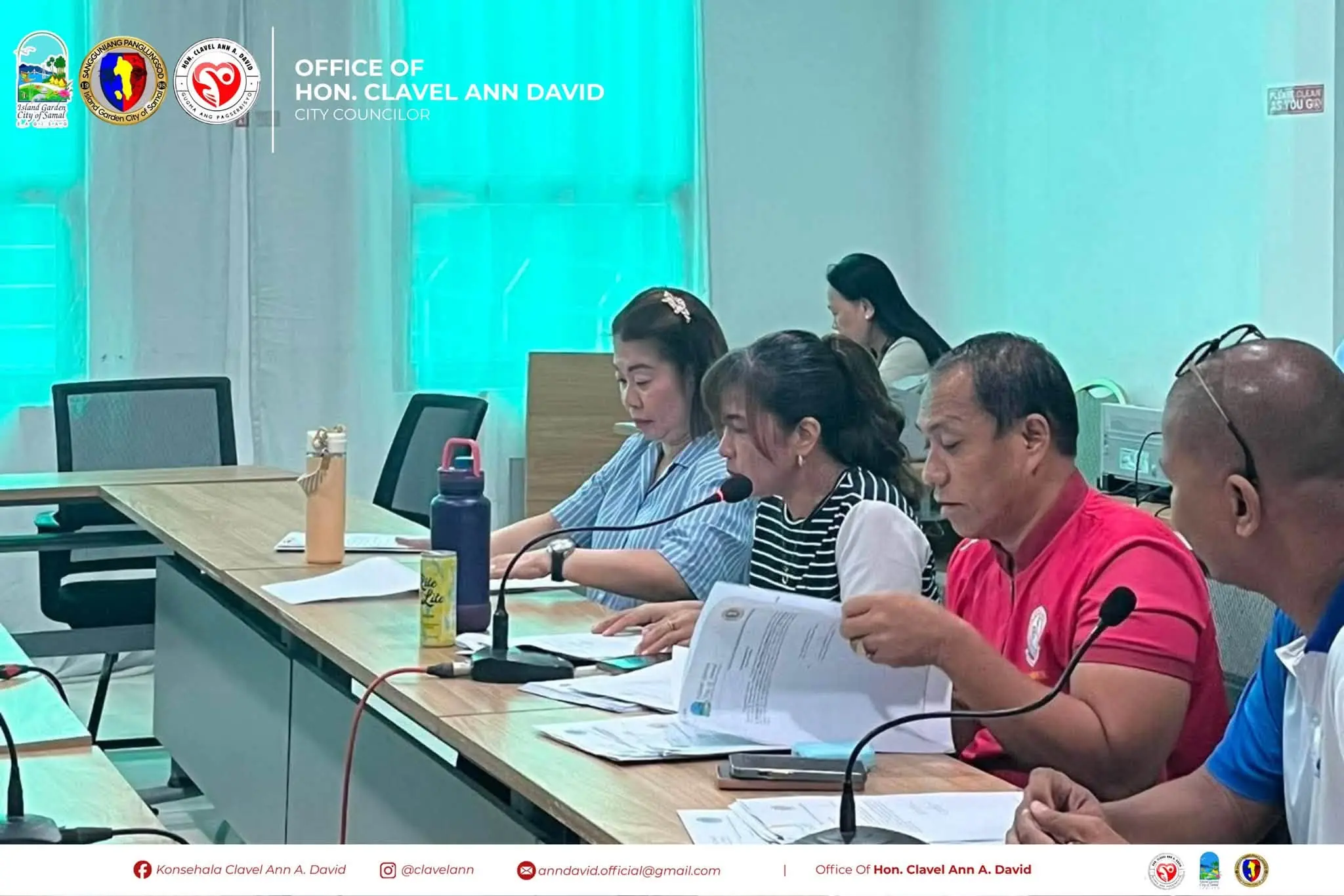
Hon. Clavel Ann David, an active member of Adventist-Laymen’s Services and Industries (ASI) of the Davao Mission and elected member of the Sangguniang Panglungsod of the Island Garden City of Samal (IGACOS), stood before the City Council not only as a legislator but also as a woman of faith.

In the session presided over by Vice Mayor Richard Guindolman, she spoke with conviction about the plight of Seventh-day Adventist students at Samal Island City College (SICC). Their examinations, scheduled on Saturdays, directly conflicted with their Sabbath observance. Her appeal to SICC President Dr. Jennifer Chua Gonzaga was clear: allow these students to take their exams on another day, without penalty or prejudice. It was not a plea for leniency or lowered standards, but for fairness—an accommodation that would let them meet academic requirements while staying true to their faith.
David’s words echoed constitutional guarantees of religious freedom and drew guidance from DepEd Order No. 105, series of 2010, which underscores inclusivity in education. The memorandum affirms that the right to worship is protected under Article III, Section 5 of the 1987 Philippine Constitution: “No law shall be made respecting an establishment of religion, or prohibiting the free exercise thereof. The free exercise and enjoyment of religious profession and worship, without discrimination or preference, shall forever be allowed. No religious test shall be required for the exercise of civil or political rights.”
The order further instructs that “DepEd personnel and students belonging to any religious group, where Saturday is their day of rest or ‘church day,’ should not be required to attend seminars, examinations, special classes, trainings and other school activities on Saturdays.” It adds: “There should be no diminution or deduction in the salaries (in the case of teachers) or no effect in the grades (in the case of students) for those teachers and students who incur absences on Saturdays due to the exercise of their right to religious worship.”
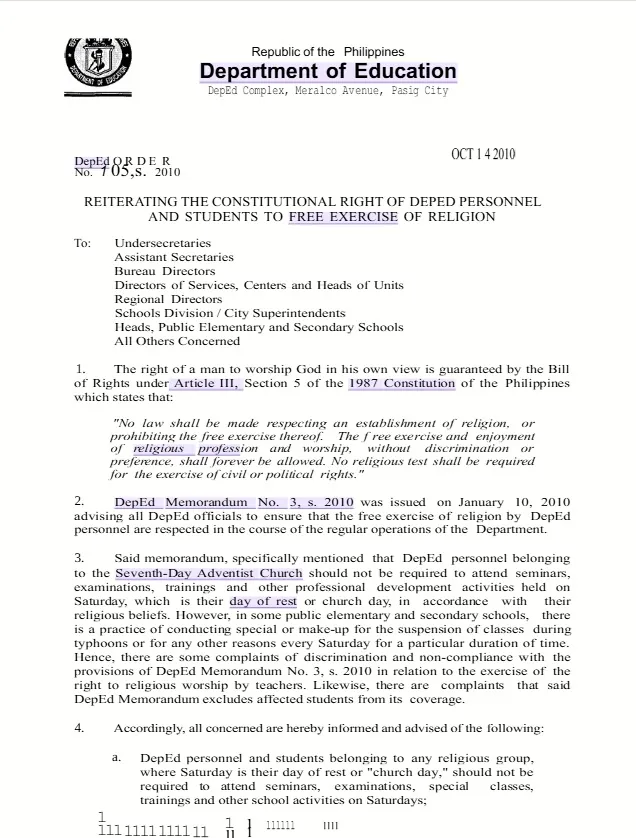
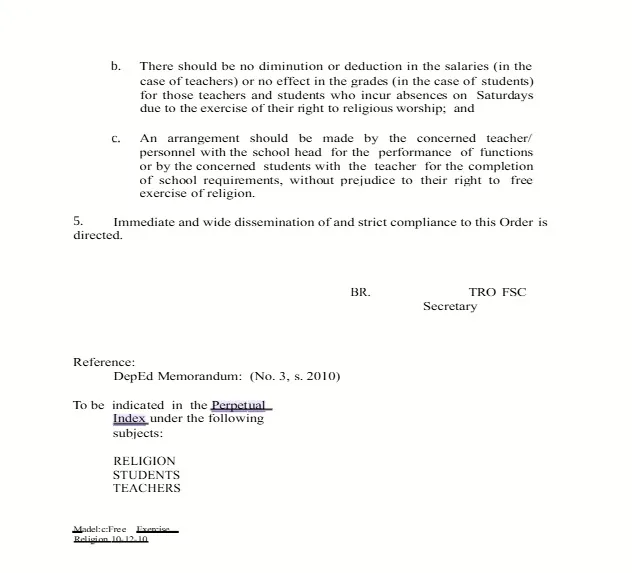
She reminded the council that genuine inclusivity means more than opening doors - it means adjusting policies so every student can walk through those doors without compromising their convictions.
Her call resonates with the vision of the Movement of Adventist Students – Adventist Ministry to College and University Students (MAS AMICUS) under Public Campus Ministry. The ministry exists to affirm the identity of Adventist students in public institutions, nurturing their spiritual growth even in secular settings. By championing Sabbath accommodation, David gave voice to the ministry’s mission: to foster academic excellence while safeguarding faith, to empower young leaders to stand firm in their beliefs, and to build bridges of understanding between institutions and students of diverse backgrounds.
In that council chamber, her message was more than a policy request—it was a reminder that education shapes the mind, but faith shapes the heart. And no student should ever be forced to choose between the two.
The Sabbath is God’s gift woven into the fabric of time, beginning at Creation when “God blessed the seventh day and sanctified it” (Genesis 2:3). It is a weekly reminder that He is our Creator. Through history, the Sabbath has been a sign of covenant faithfulness: “Moreover also I gave them my Sabbaths, to be a sign between me and them, that they might know that I am the Lord that sanctify them” (Ezekiel 20:12). And it stretches into eternity, where worship continues: “From one Sabbath to another, shall all flesh come to worship before Me, says the Lord” (Isaiah 66:23).
Ellen G. White, co-founder of the Adventist Church, wrote in Review and Herald on Feb. 7, 1893: “Although we are to stand firm as a rock to principle, we should be courteous and Christ-like in our dealings with all men. In meekness and love we should tell the people why we cannot accept the papal Sabbath, because it is a mark of special dishonor to God, whom we love and worship. But while we sacredly observe the Sabbath of the Lord, it is not our work to compel others to observe it. God never forces the conscience. That is Satan’s work. But God is the author of the Sabbath, and it must be presented to men in contrast with the false Sabbath, that they may choose between the truth of God and the error of the enemy.”
Every believer in Jesus—whether entrusted with power or anybody in the church community—is called to both proclaim and protect the Sabbath. It is not merely a day of rest but a divine command rooted in Creation, affirmed in His covenant, and extended into eternity. To honor the Sabbath is to uphold God’s authority, bear witness to His law, and declare to the world that we belong to Him. Safeguarding the Sabbath is not optional—it is the believer’s sacred duty and enduring testimony of faith.